Real food, real answers for your dog.
Recipes you can actually cook, nutrition explained without the jargon, and vet-informed guides — from the team behind NatBuddy and Charlie.

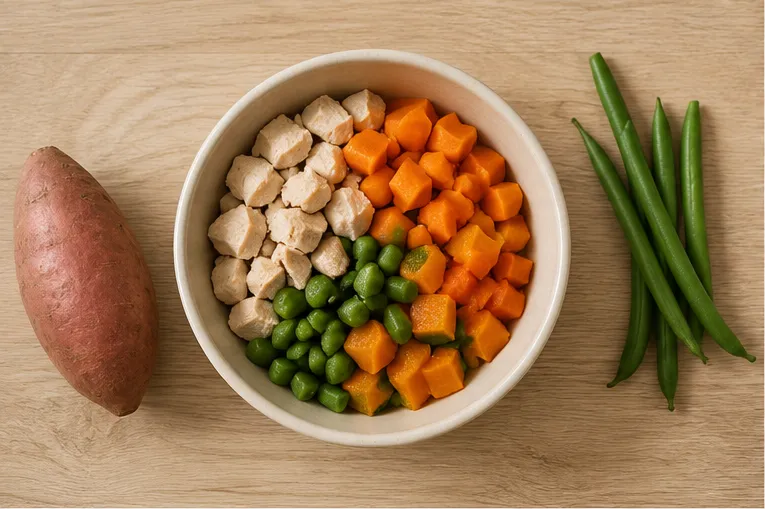
Chicken & sweet potato bowl: an easy dog recipe
Real chicken, sweet potato and a handful of pantry vegetables. The home-cooked bowl we get asked about most — written out in full, with the safety notes that matter.
Chicken & sweet potato bowl: an easy dog recipe
A simple, balanced everyday dinner — real chicken, sweet potato and a few pantry vegetables.

Best food for a dog with allergies: where to start
Food allergies in dogs are less common than you'd think, and diet is only part of the picture. Here's how vets actually get to the bottom of the itch.

Feeding a senior dog: what actually changes
As dogs age, their diet often needs small tweaks rather than a total overhaul. Here's what tends to matter for senior dogs — and the protein myth worth dropping.
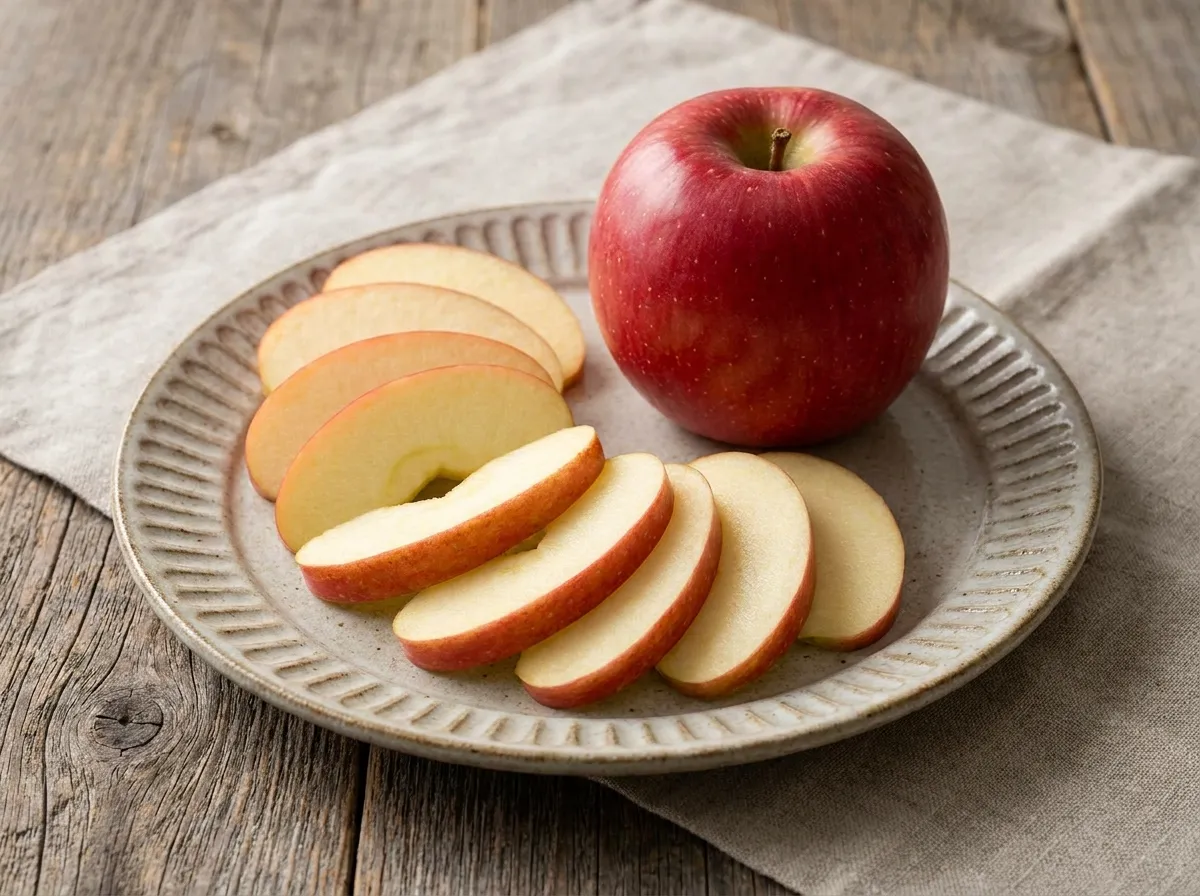
Can dogs eat apples? Yes, with two easy rules
Apples are a crunchy, low-calorie treat most dogs love — as long as you skip the core and seeds and keep it to a snack. Here's how to serve them safely.
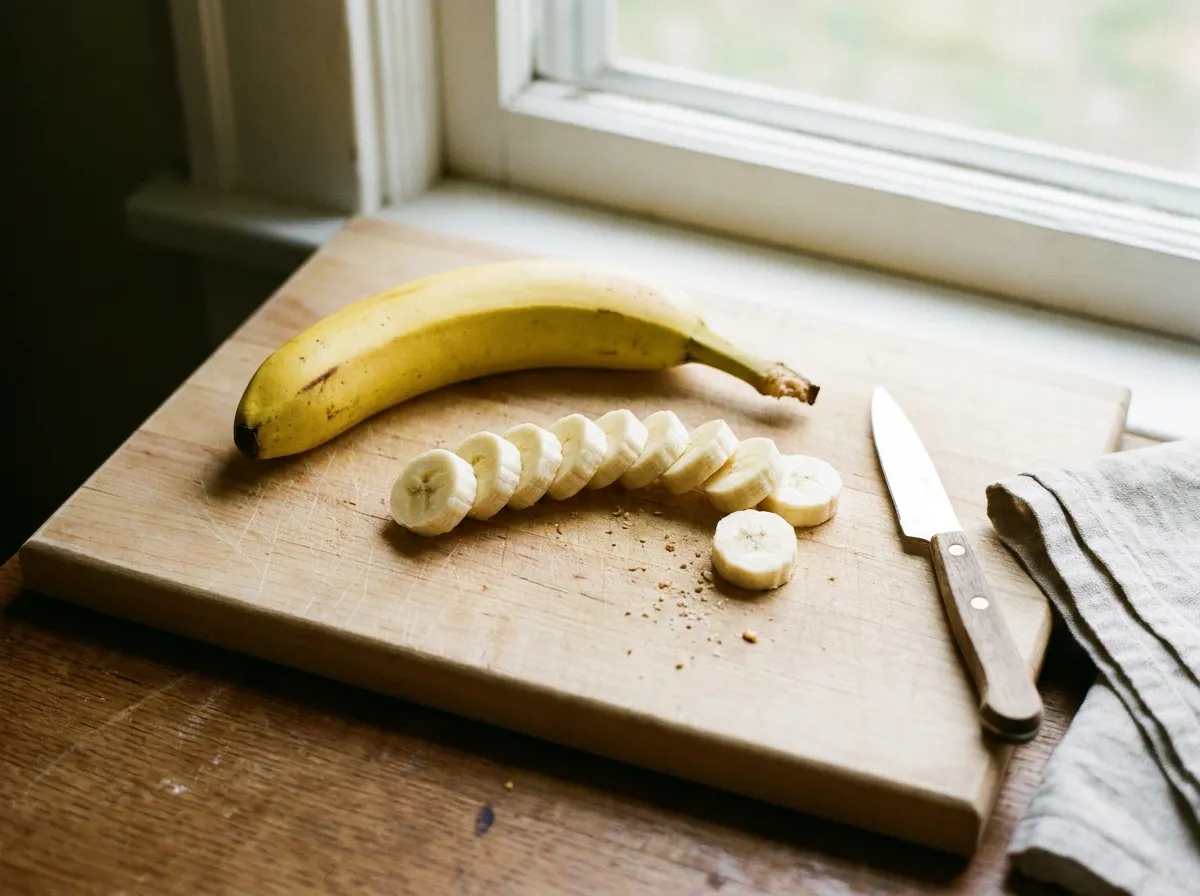
Can dogs eat bananas? Yes, in small amounts
Bananas are a safe, soft treat dogs tend to love — but they're sugary, so they work best in small amounts. Here's how much, and the easiest ways to serve them.
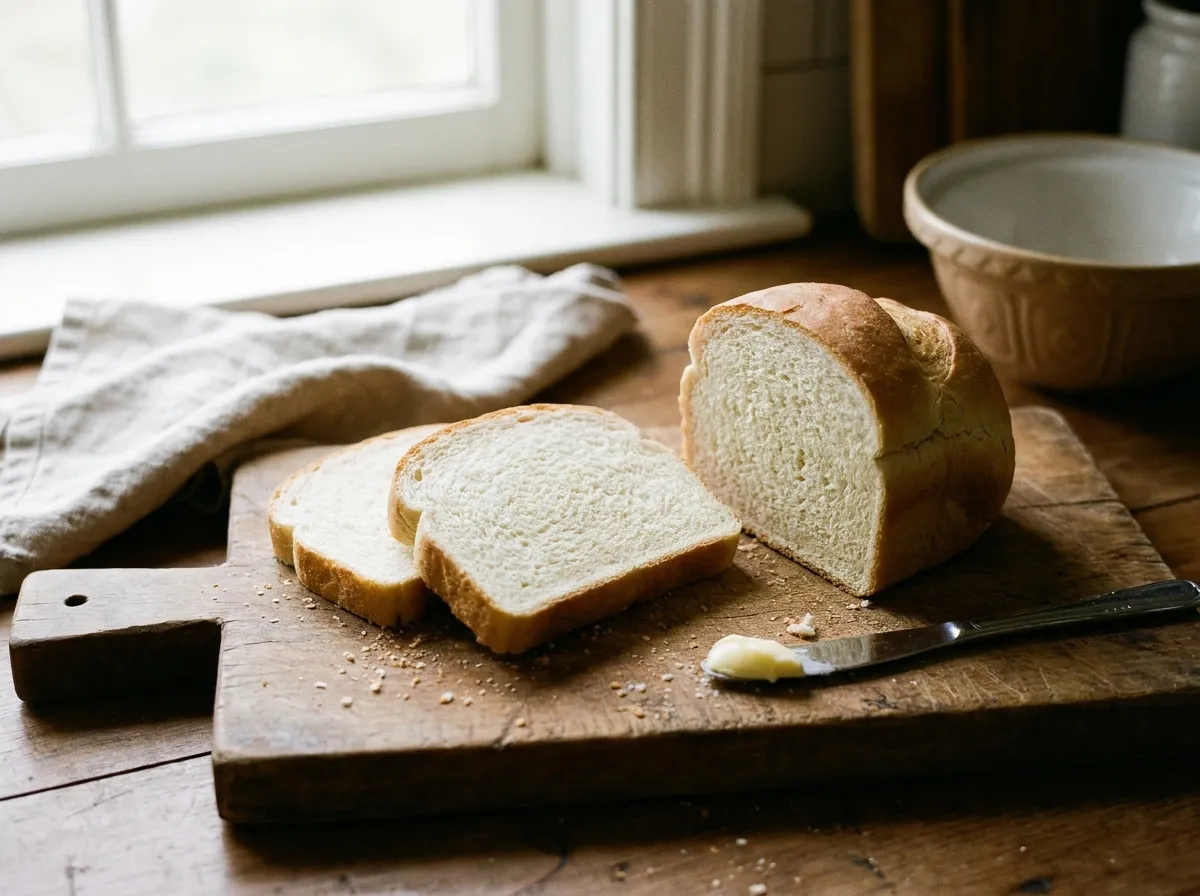
Can dogs eat bread? Safe, but mostly empty calories
Plain bread won't hurt most dogs in small amounts, but it adds calories with little benefit — and raw dough is genuinely dangerous. Here's what to know.
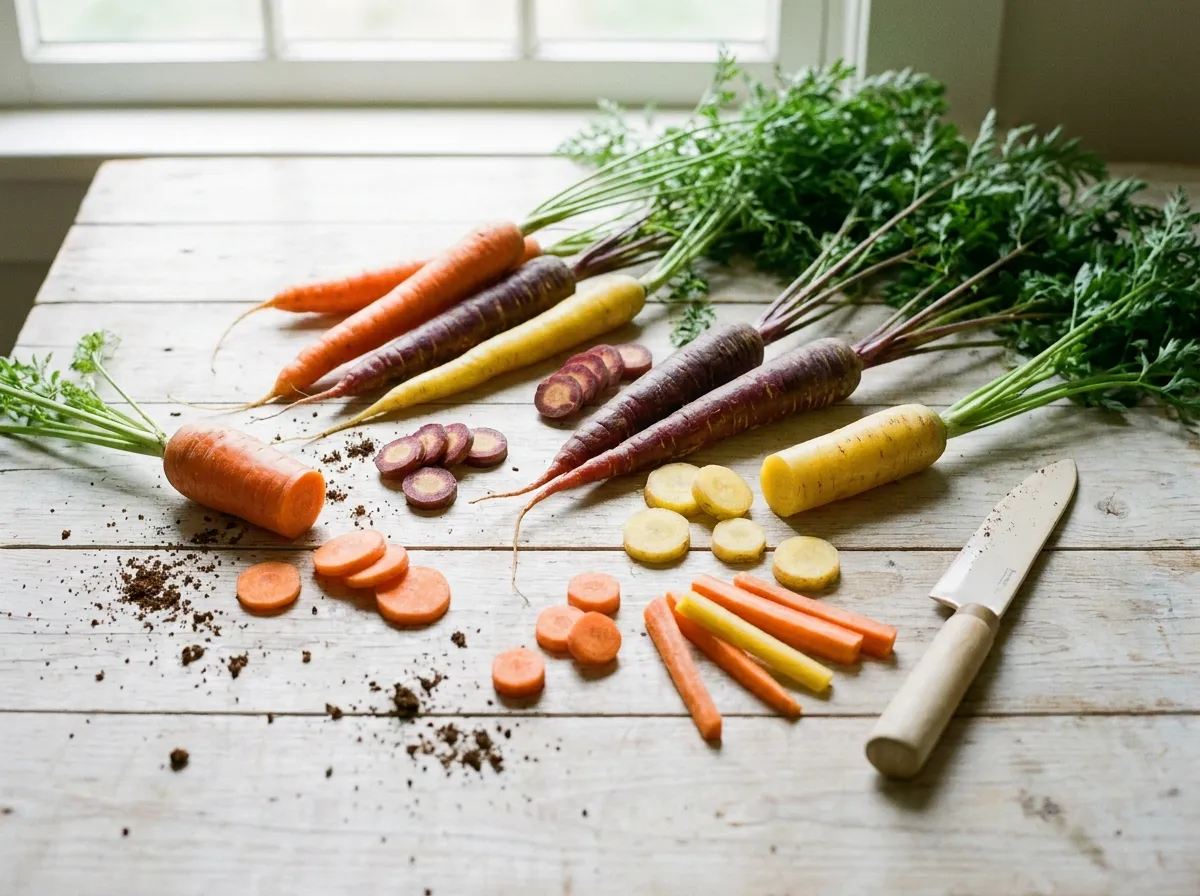
Can dogs eat carrots? Yes — one of the best treats
Carrots are cheap, low-calorie and safe raw or cooked — one of the easiest healthy treats to keep on hand. Here's how to serve them and how much is fine.
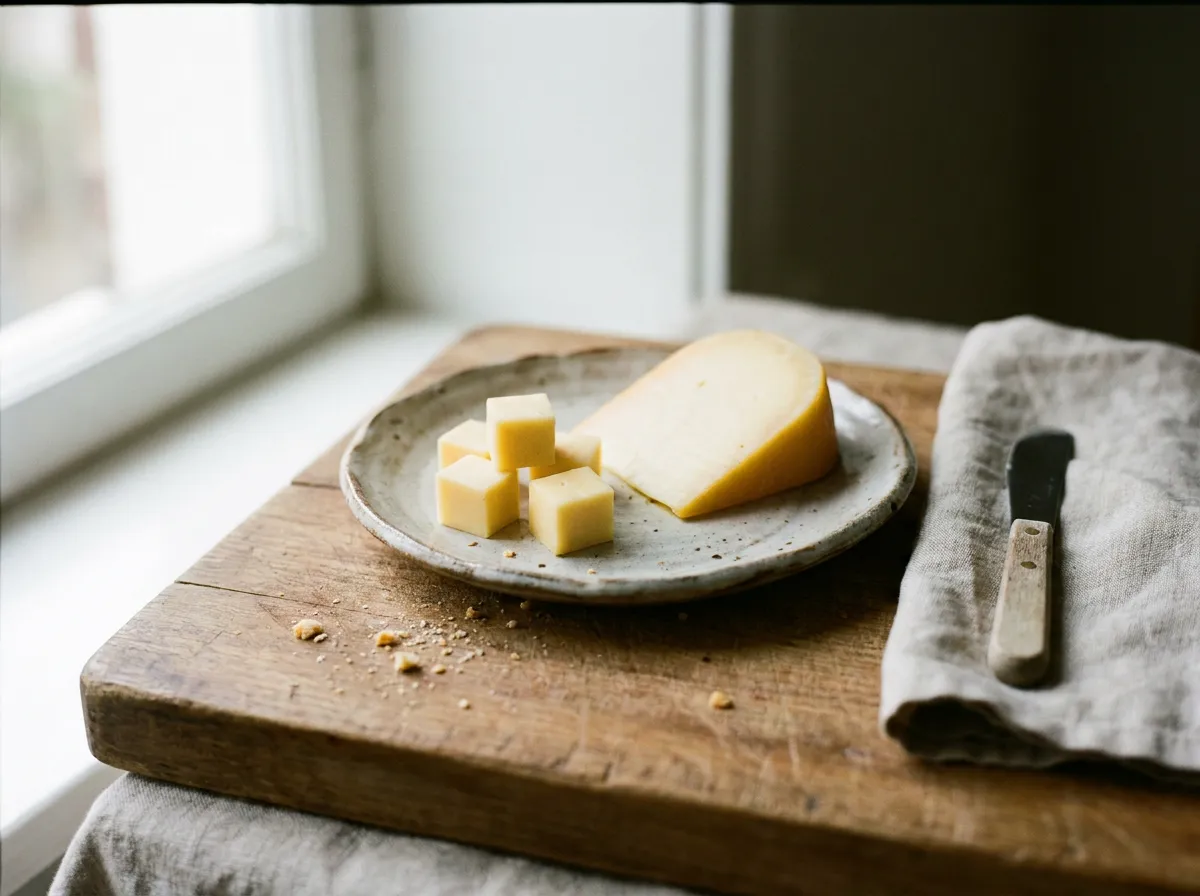
Can dogs eat cheese? Yes, in small amounts
Most dogs can eat cheese as an occasional treat, but it's high in fat and salt, and some dogs don't handle dairy well. Here's how to give it safely.

Can dogs eat chocolate? No — it's toxic to dogs
Chocolate is toxic to dogs and should never be given. Here's why it's dangerous, what to watch for, and exactly what to do if your dog eats some.
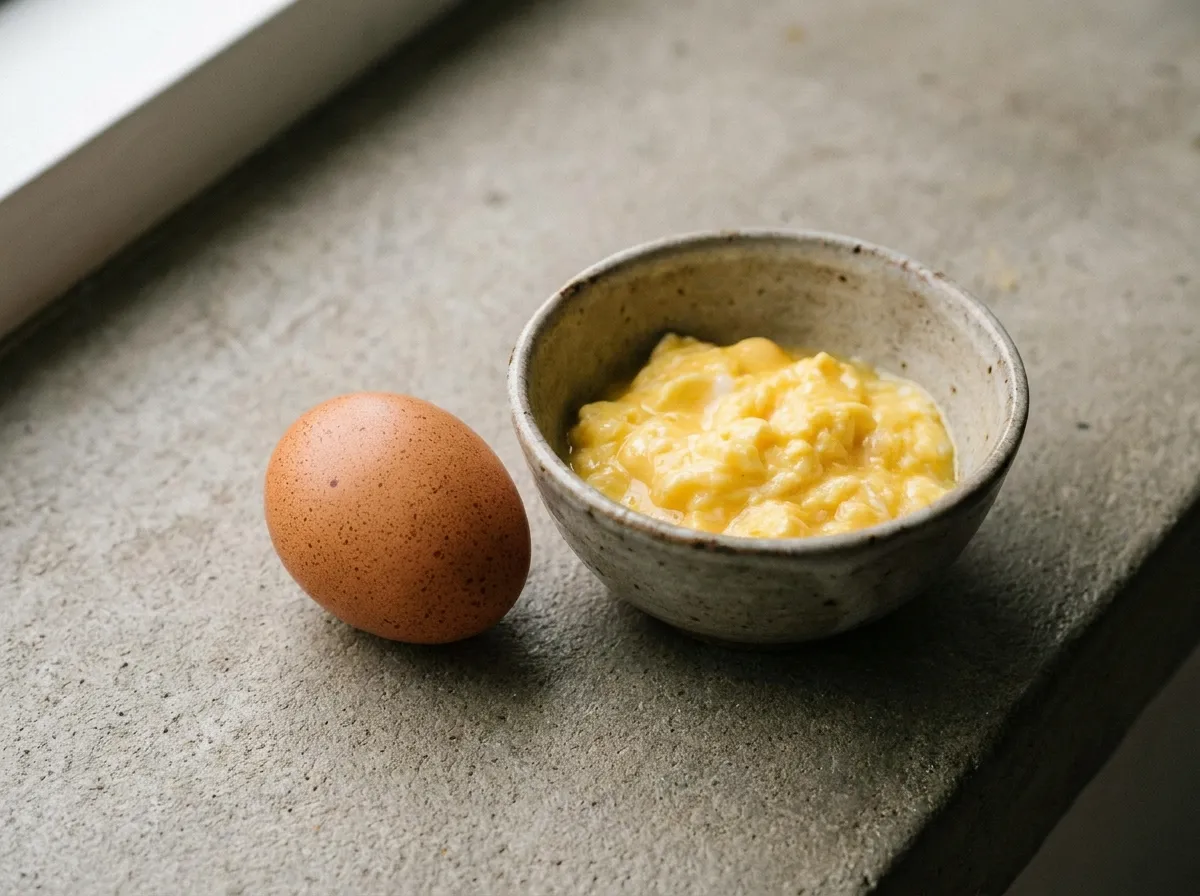
Can dogs eat eggs? Yes, when they're cooked
Cooked eggs are a safe, protein-rich treat for most dogs. Here's why cooking matters, how much is sensible, and the one or two things worth watching.

Can dogs eat grapes? The short answer is no
Grapes and raisins are one of the few foods that are genuinely toxic to dogs — here's what happens, what counts, and exactly what to do if your dog eats one.
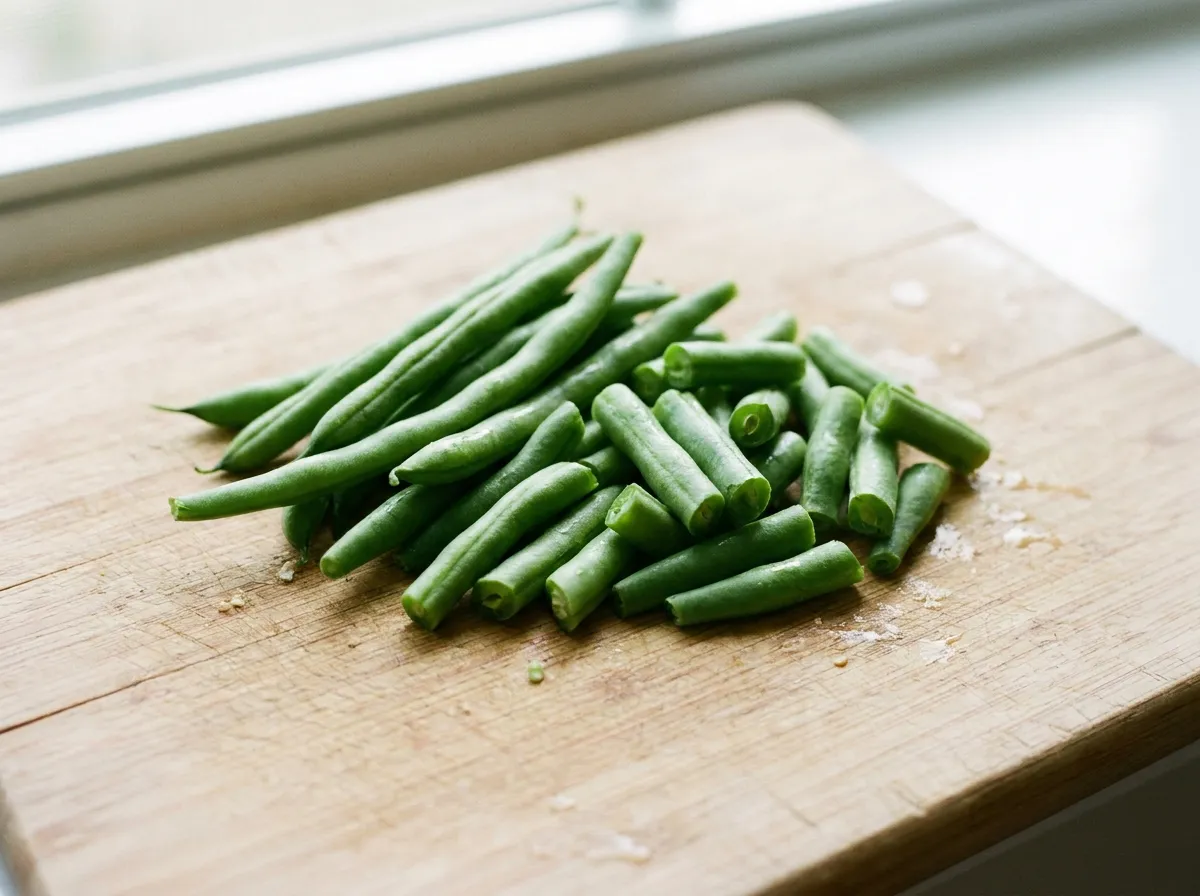
Can dogs eat green beans? Yes — a great low-calorie treat
Green beans are safe, low in calories and filling — one of the best treats for a dog watching their weight. Here's how to serve them the right way.
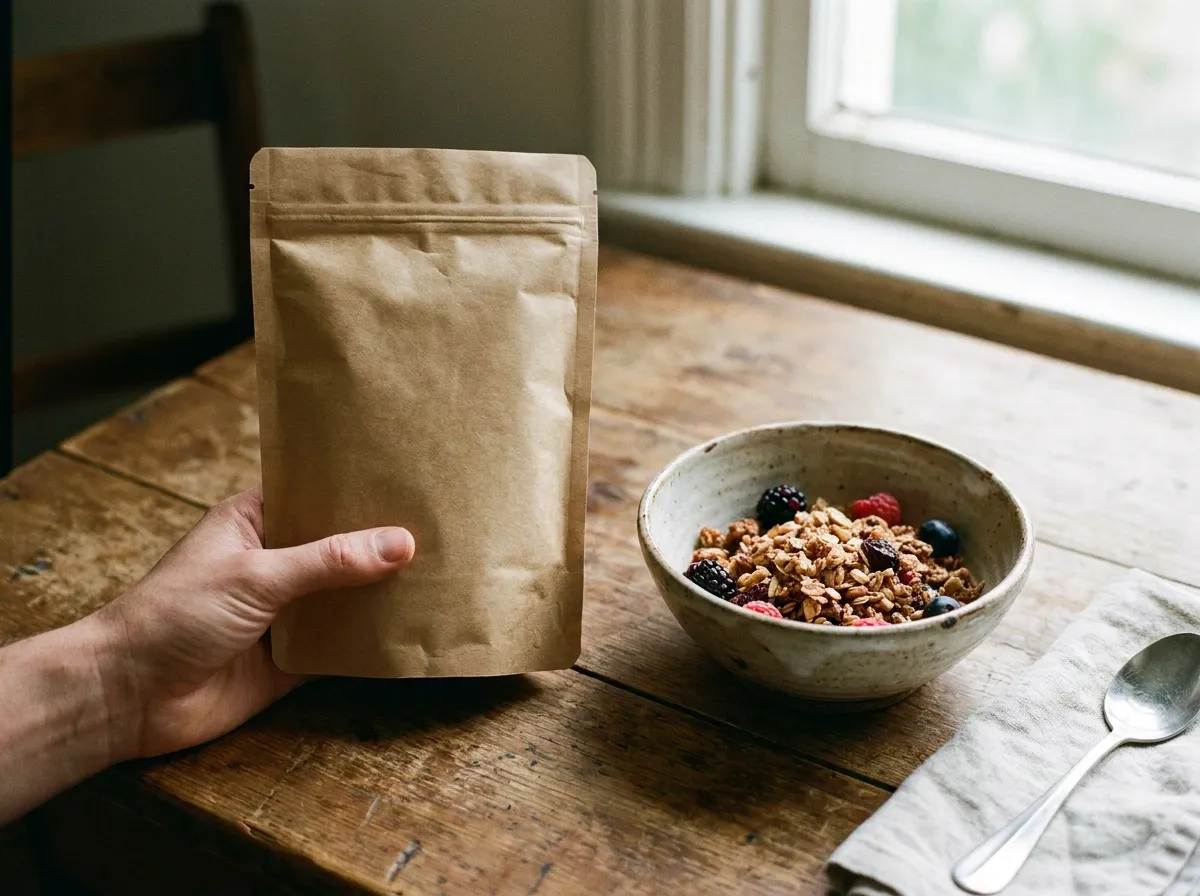
Can dogs eat peanut butter? Yes — but check the label
Peanut butter is a favorite dog treat, and most kinds are safe — but one ingredient, xylitol, is toxic to dogs. Here's how to pick a safe jar and serve it.
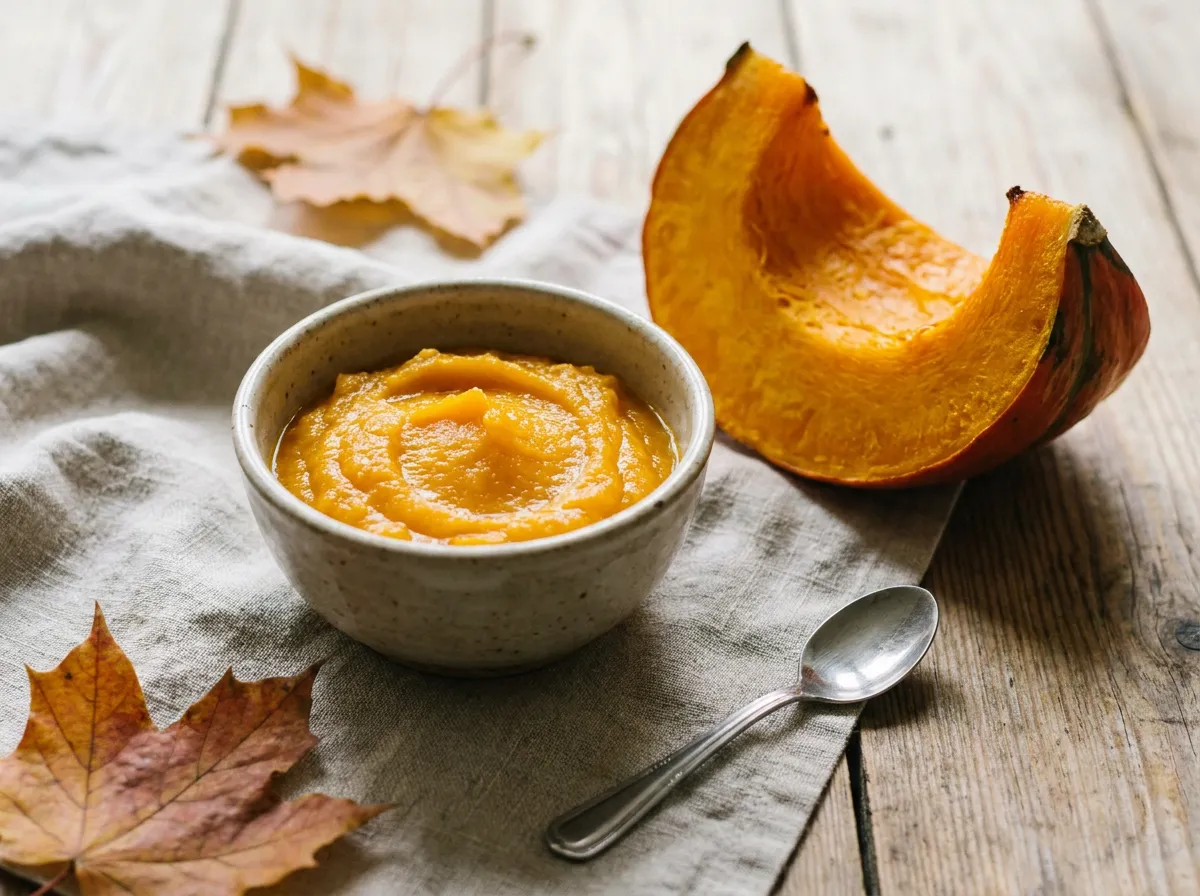
Can dogs eat pumpkin? Yes — and it's good for them
Plain pumpkin is safe, gentle on the stomach and a vet favorite for digestion. Here's how to serve it, how much to give, and what to avoid.
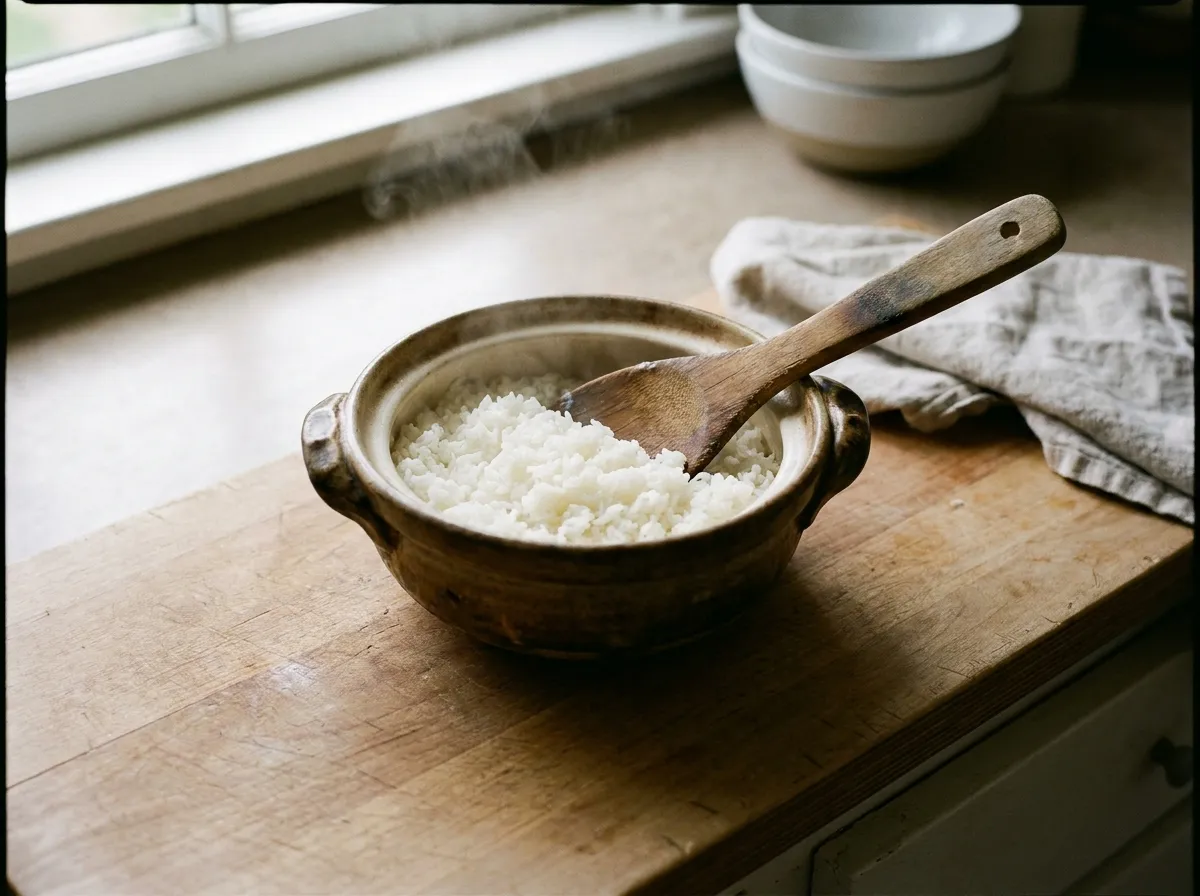
Can dogs eat rice? Yes — plain and cooked
Plain cooked rice is safe for dogs and a staple of the bland diet vets suggest for an upset stomach. Here's how to serve it and how much is fine.
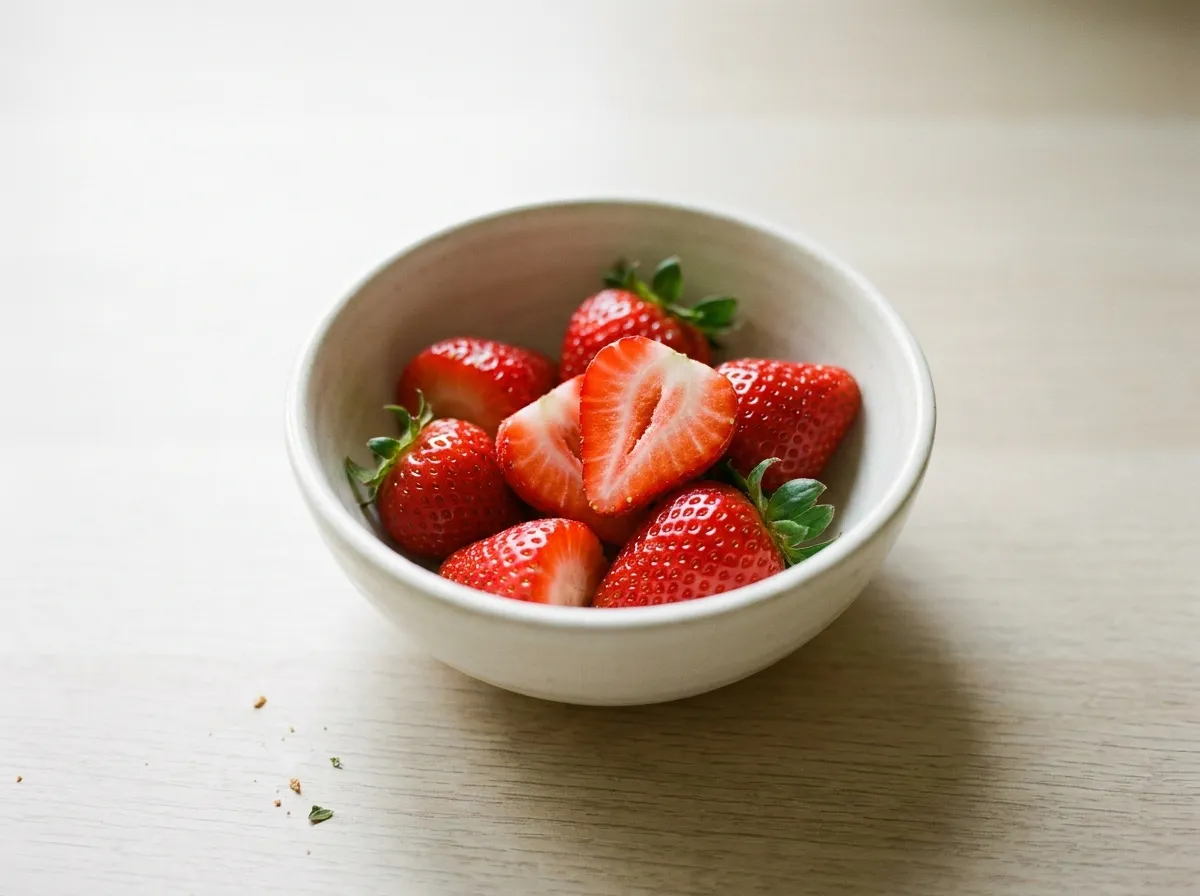
Can dogs eat strawberries? Yes, in moderation
Strawberries are a safe, vitamin-rich treat for most dogs in small amounts. Here's how to prepare them and why the natural sugar means moderation matters.
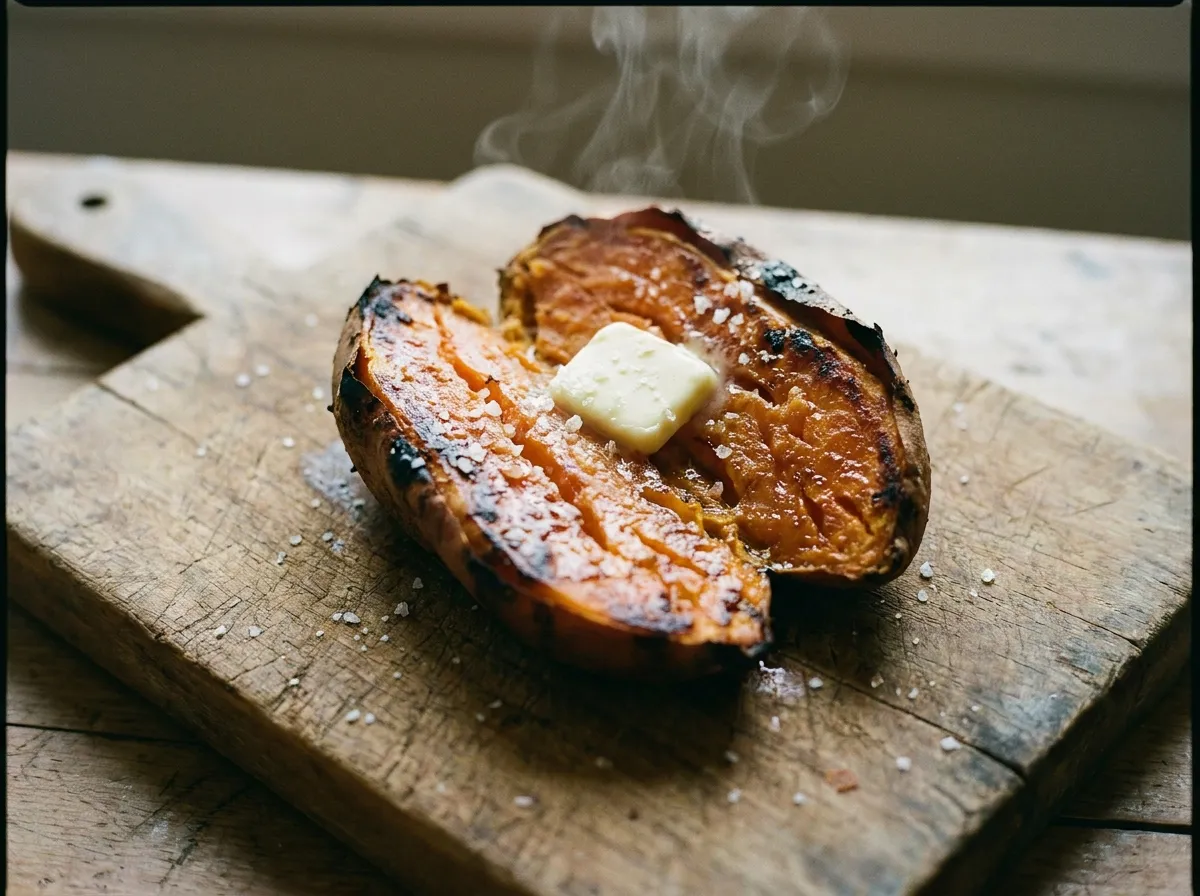
Can dogs eat sweet potato? Yes, when it's cooked
Cooked sweet potato is a safe, nutritious treat and a common dog-food ingredient — but it should always be cooked and plain. Here's how to serve it.
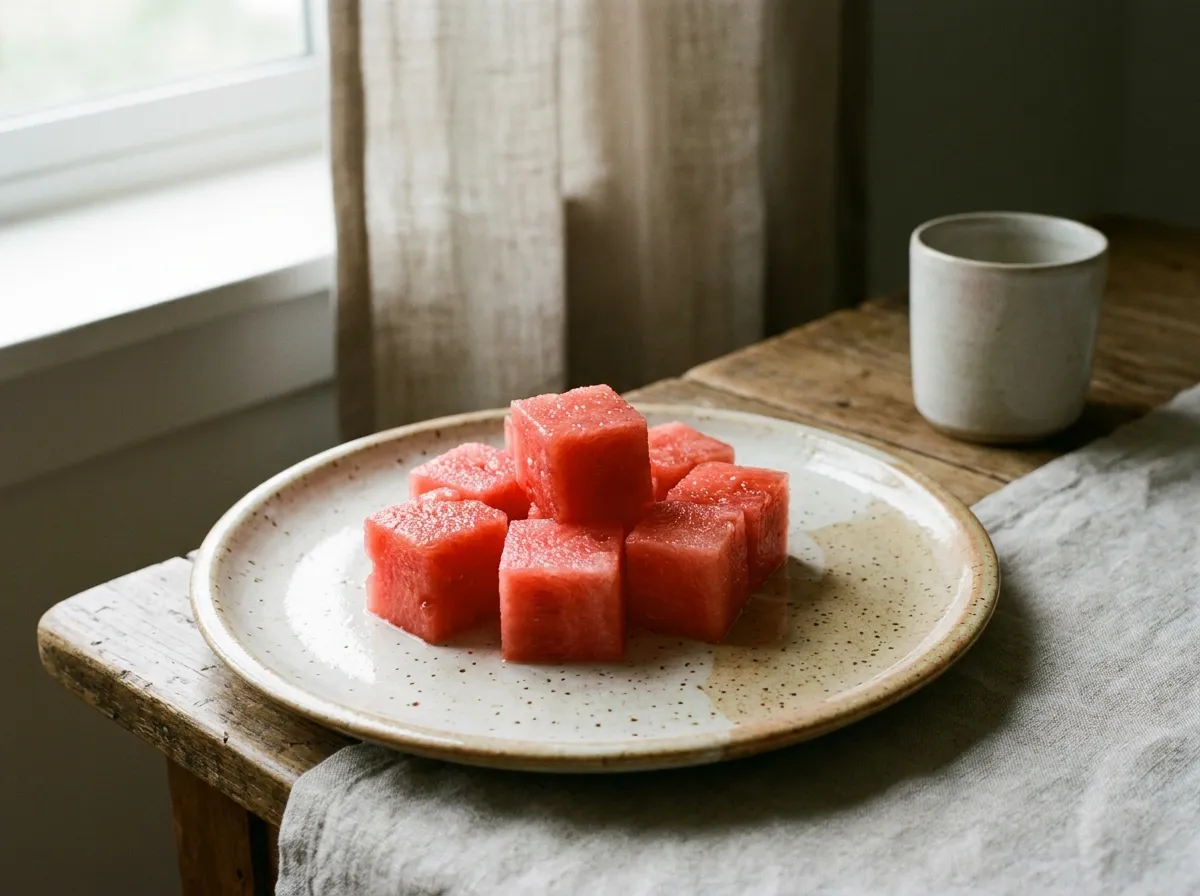
Can dogs eat watermelon? Yes, seeds and rind removed
Watermelon is a safe, hydrating summer treat for most dogs — as long as you skip the seeds and rind. Here's how to serve it and how much is fine.
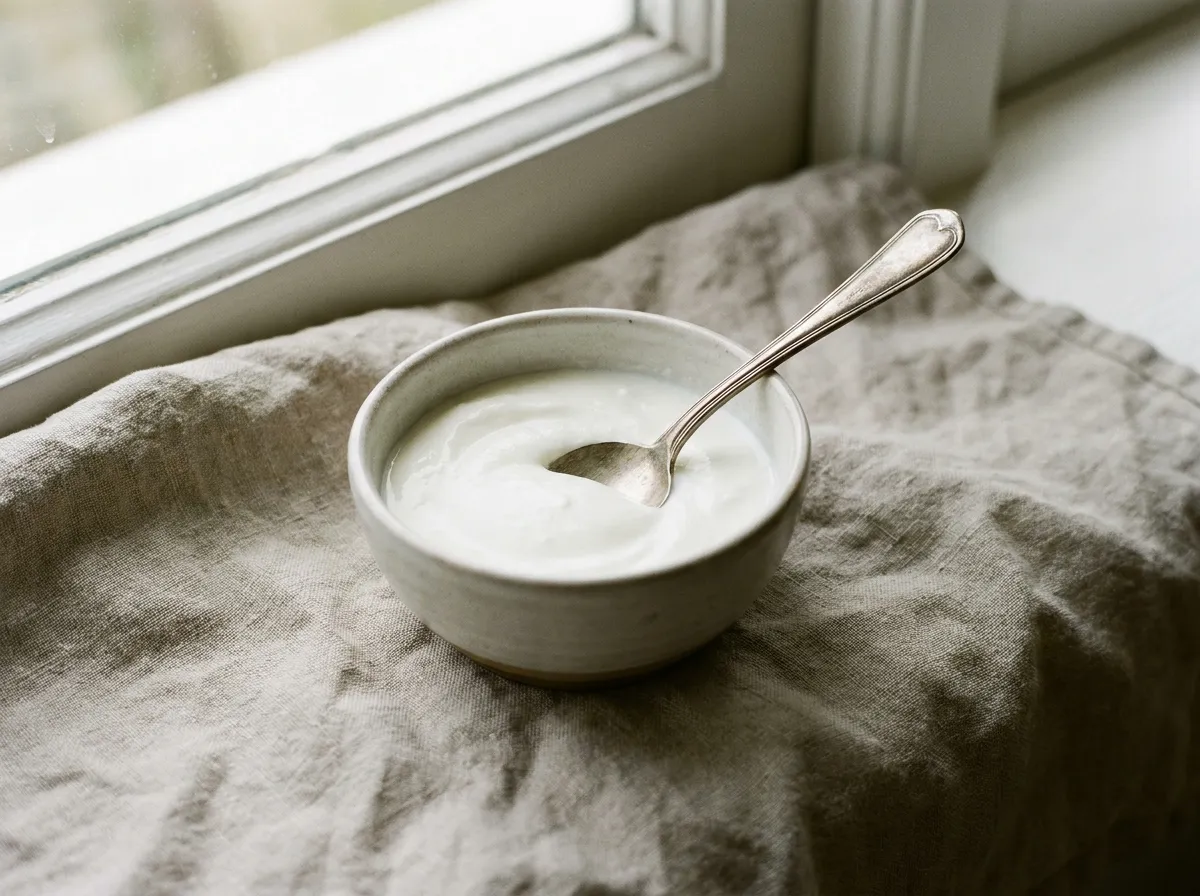
Can dogs eat yogurt? Plain, in small amounts
A spoonful of plain, unsweetened yogurt is fine for most dogs — but sweetened tubs can hide xylitol, which is toxic. Here's how to serve it safely.
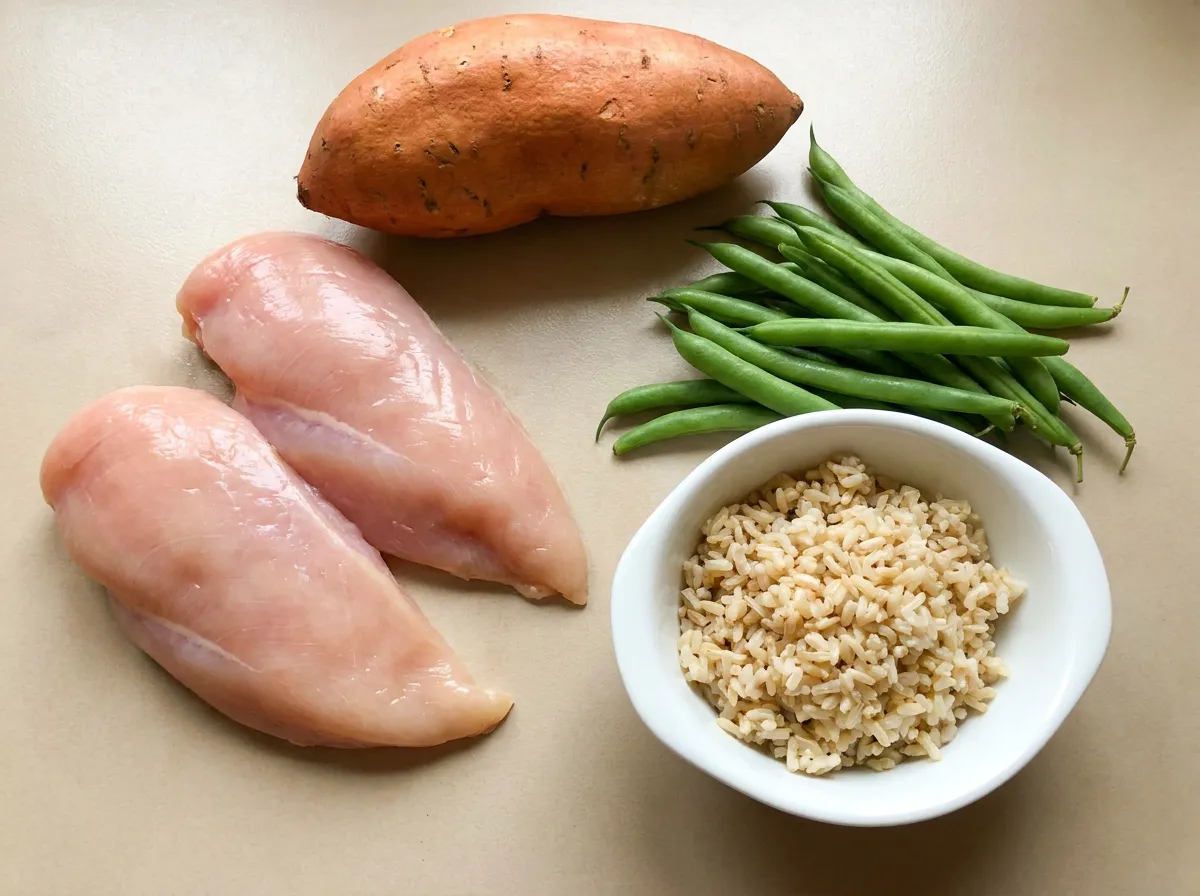
Chicken and rice for dogs: the classic bland meal
The go-to bland meal for a dog with an upset stomach — plain chicken and rice, cooked simply, with the amounts and safety notes that matter.
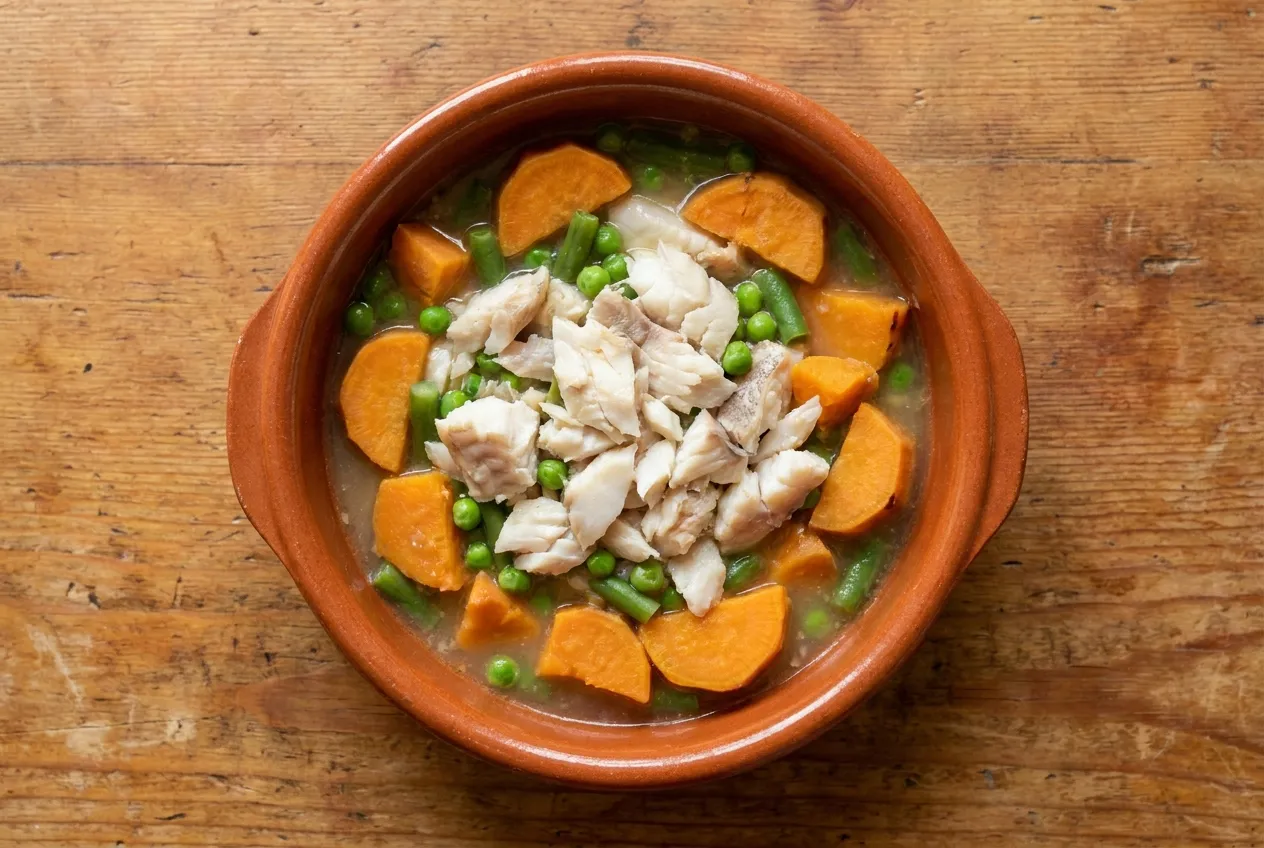
Fish and sweet potato bowl for dogs: a simple recipe
A light, omega-rich bowl you can cook at home — white fish, sweet potato and green veg, with the balance and safety notes that matter.
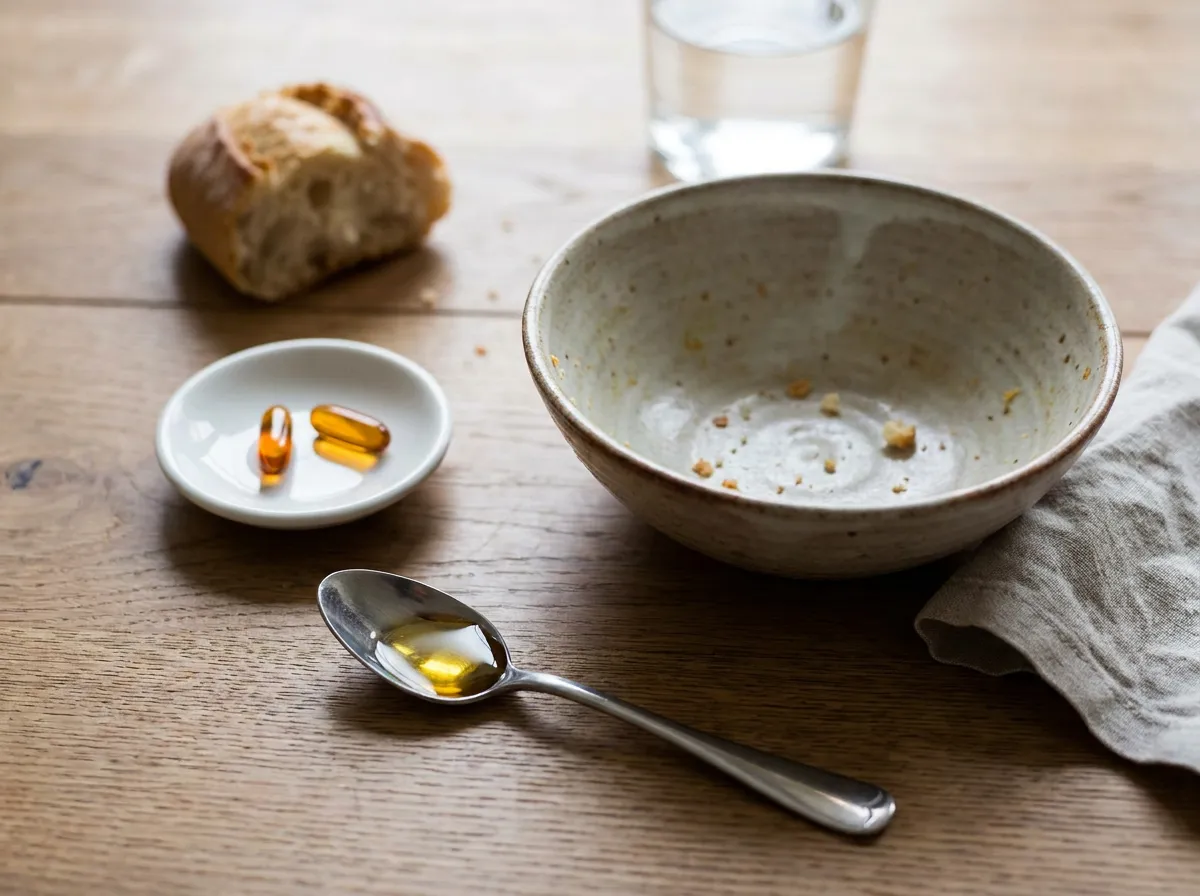
Fish oil for dogs: does your dog need it?
Fish oil is one of the most popular dog supplements — but not every dog needs a bottle. Here's what the omega-3s do, and when it's worth adding.
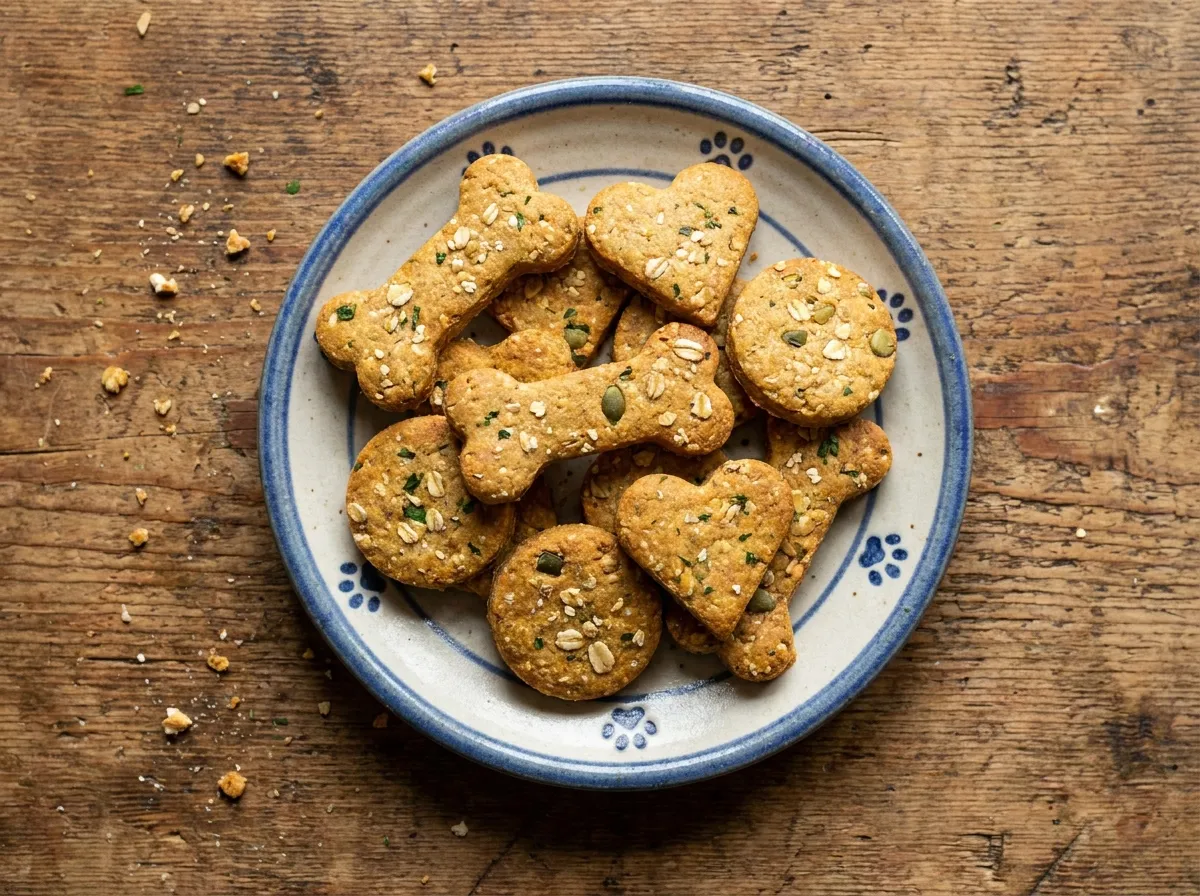
Healthy homemade dog treats: 3-ingredient bites
Simple baked treats from three kitchen staples — no sugar, no mystery ingredients. Here's the recipe, plus the safety notes and how many to give.
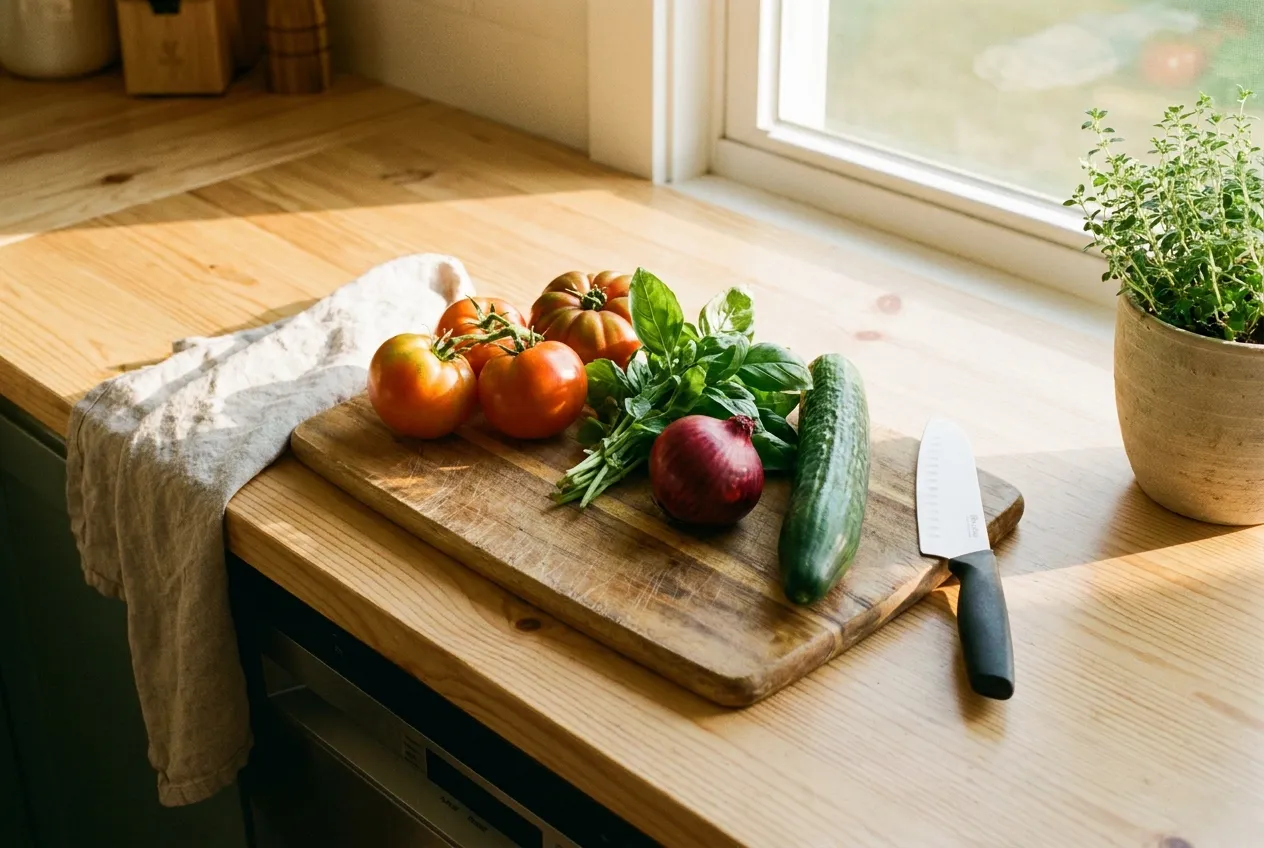
Homemade dog food: a beginner's guide
Cooking for your dog can be rewarding — but a plate of chicken and rice isn't a complete diet. Here's how to start the right way, and the one step not to skip.
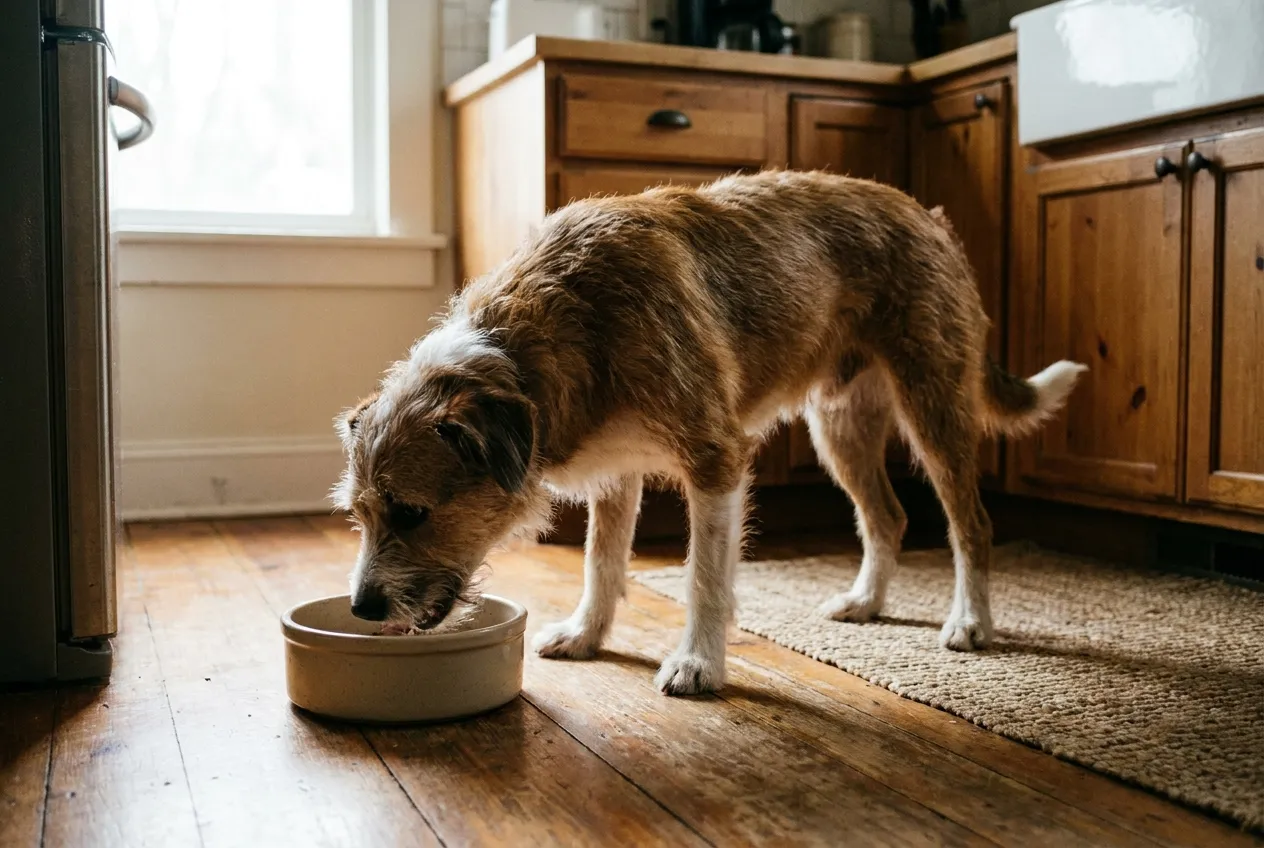
How many times a day should you feed a dog?
Once a day, twice, or free access all day? Here's what tends to work for adult dogs, why twice is the usual answer, and where puppies and big breeds differ.
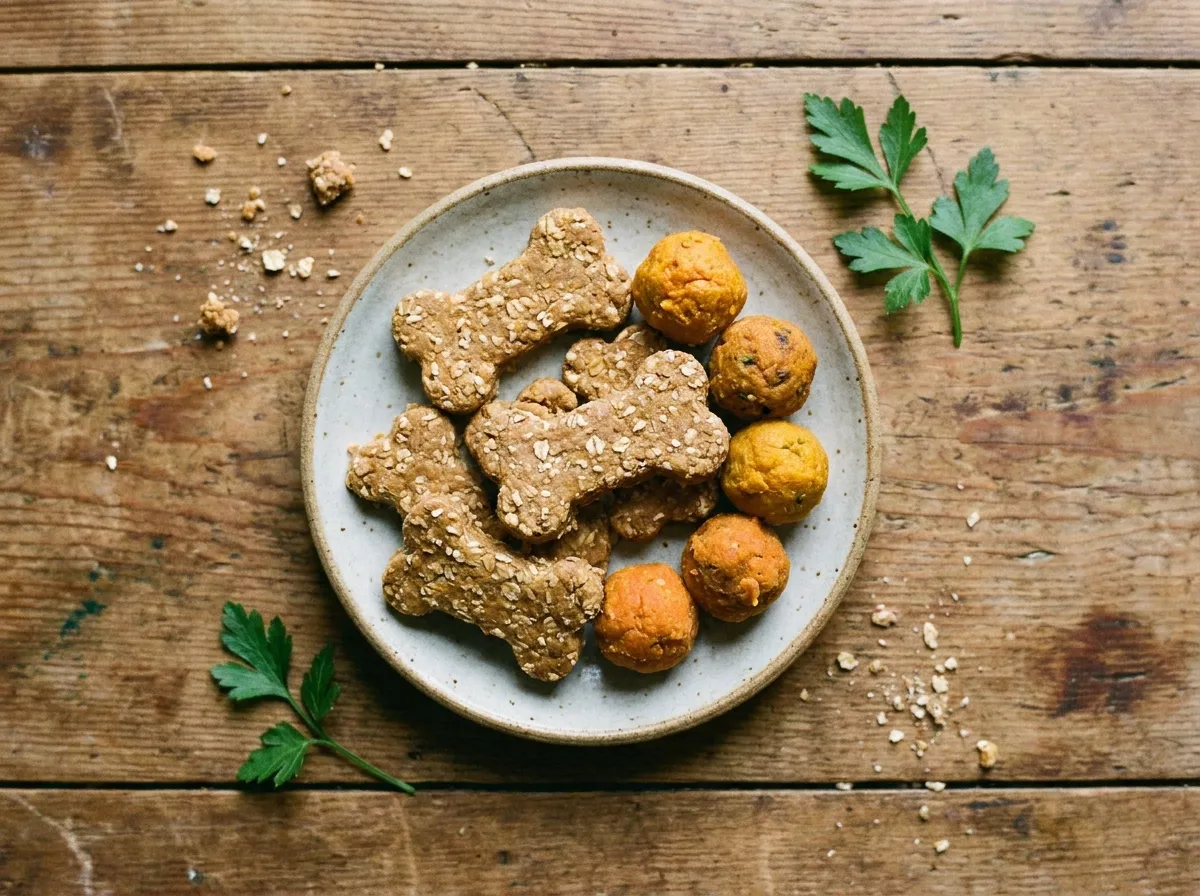
How many treats can a dog have in a day?
The simple rule vets use is the 10% rule — treats should make up no more than a tenth of your dog's daily calories. Here's how to make it work.

How much water should a dog drink in a day?
There's a simple rule of thumb for how much water a dog needs — plus the signs that your dog is drinking too little or, just as importantly, too much.
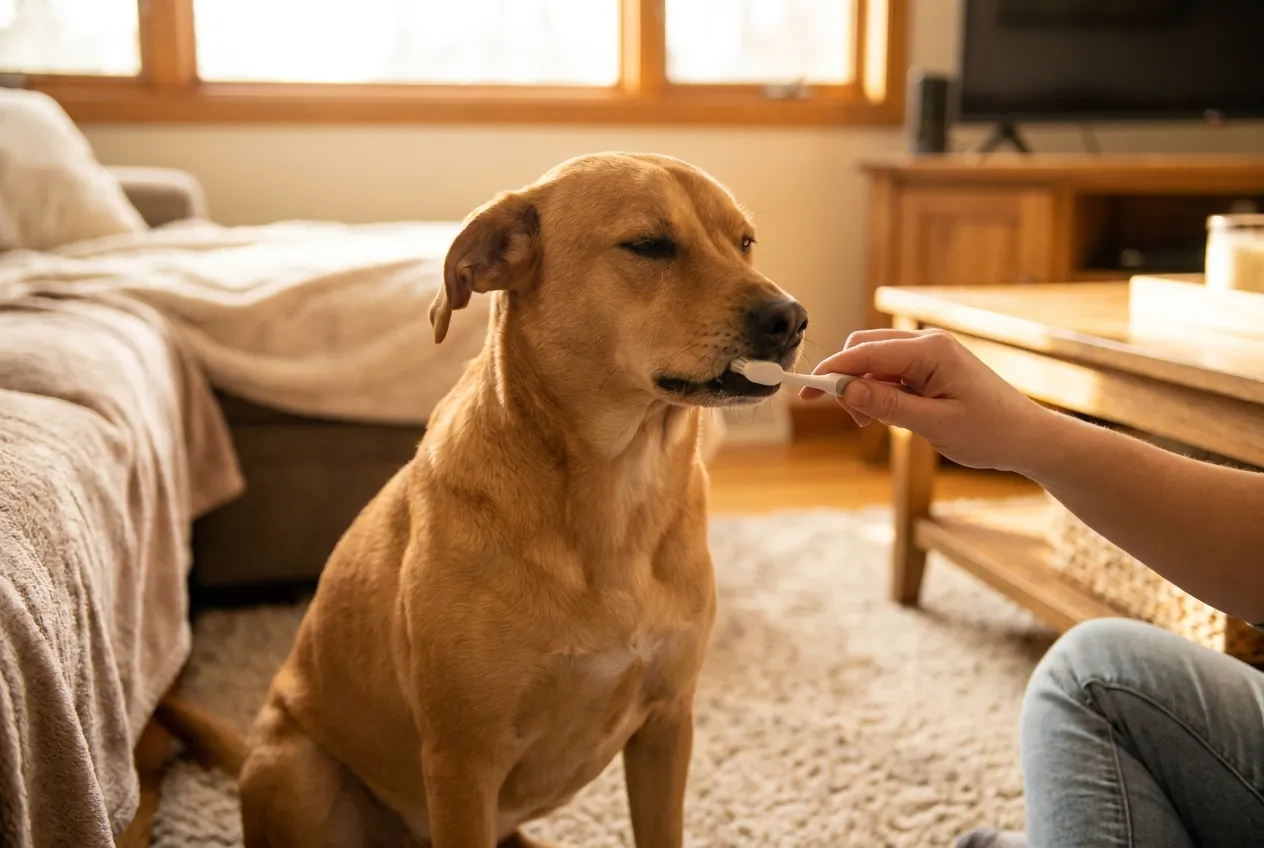
How to brush your dog's teeth (and why it matters)
Dental disease is one of the most common problems vets see — and it's largely preventable. Here's how to brush your dog's teeth without a battle.
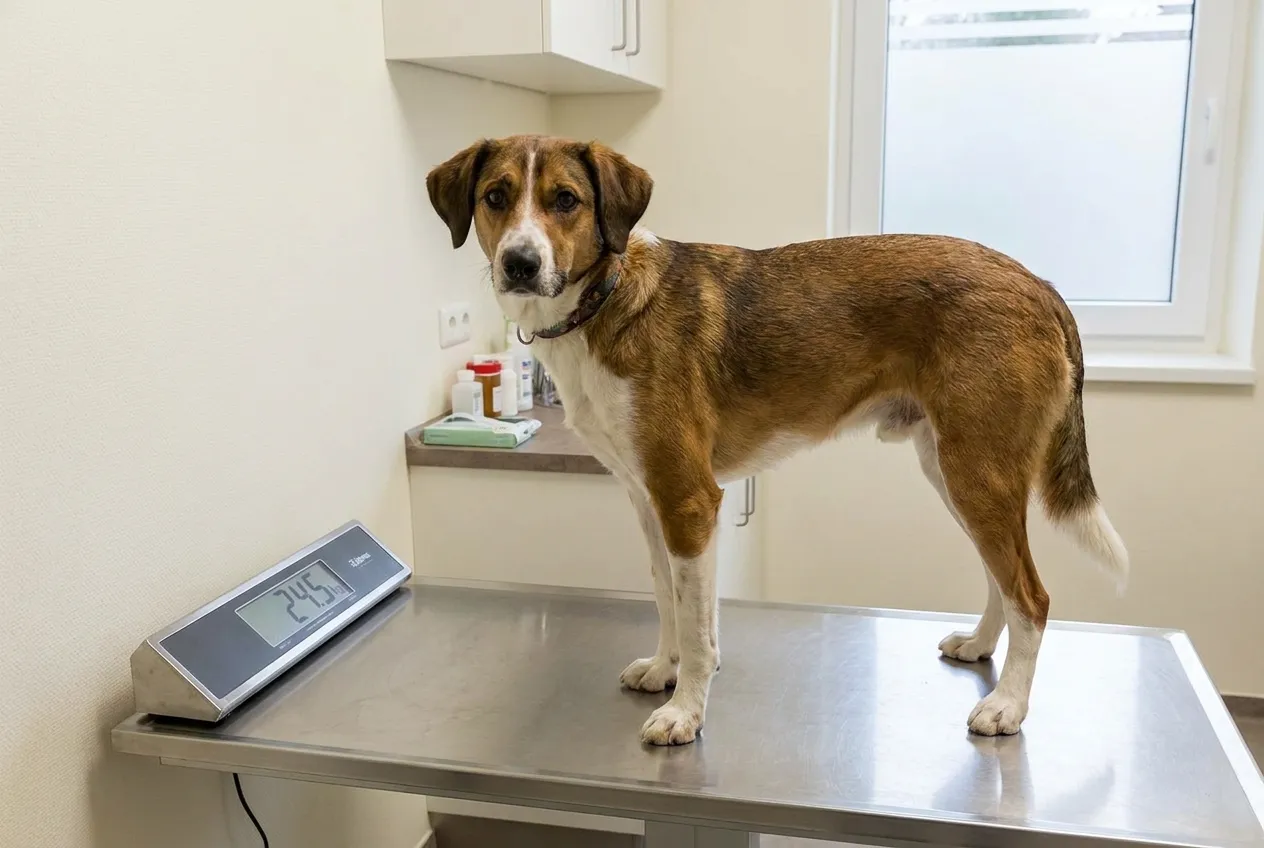
How to help an overweight dog lose weight safely
Helping a dog slim down is mostly about small, steady changes — measured portions, fewer treats, and a little more movement. Here's how to do it safely.
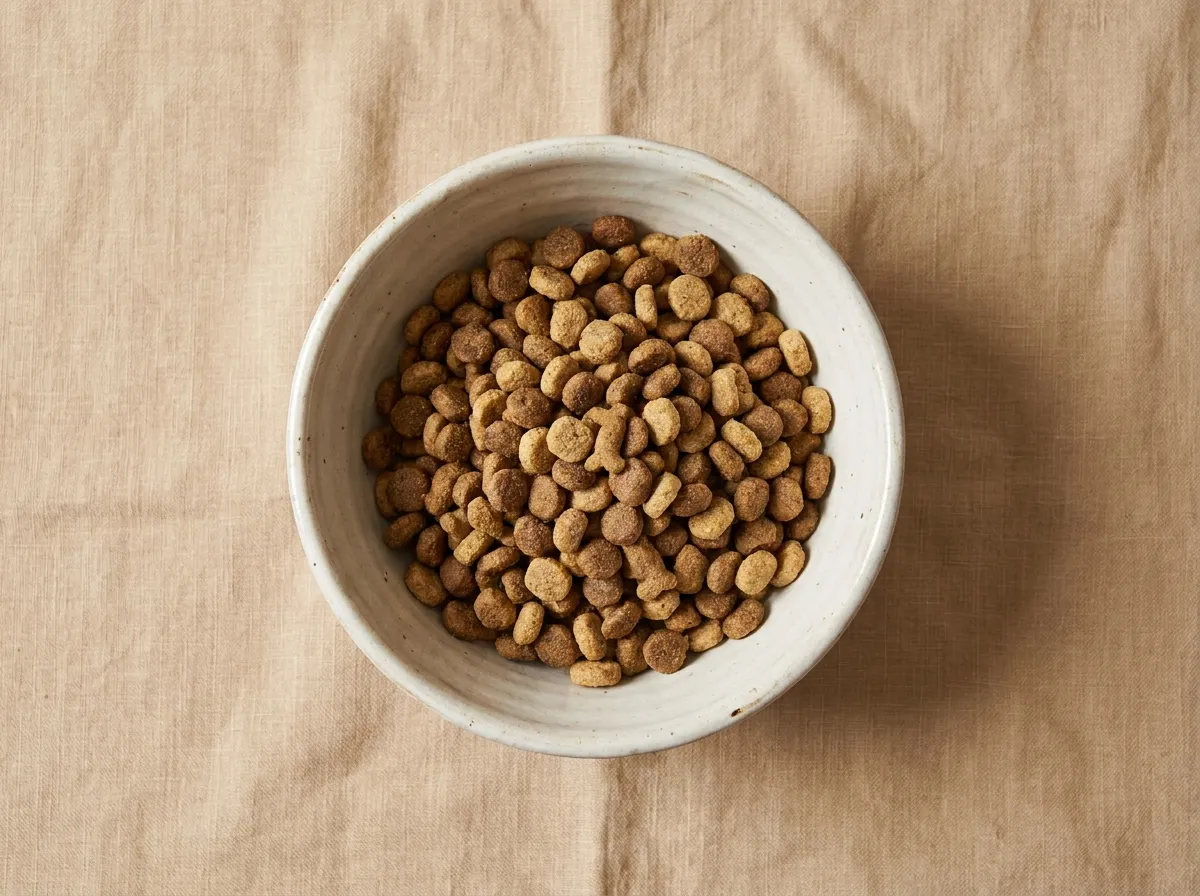
How to read a dog food label (without the hype)
The front of the bag is marketing; the real information is on the back. Here's how to read a dog food label and spot what actually matters.
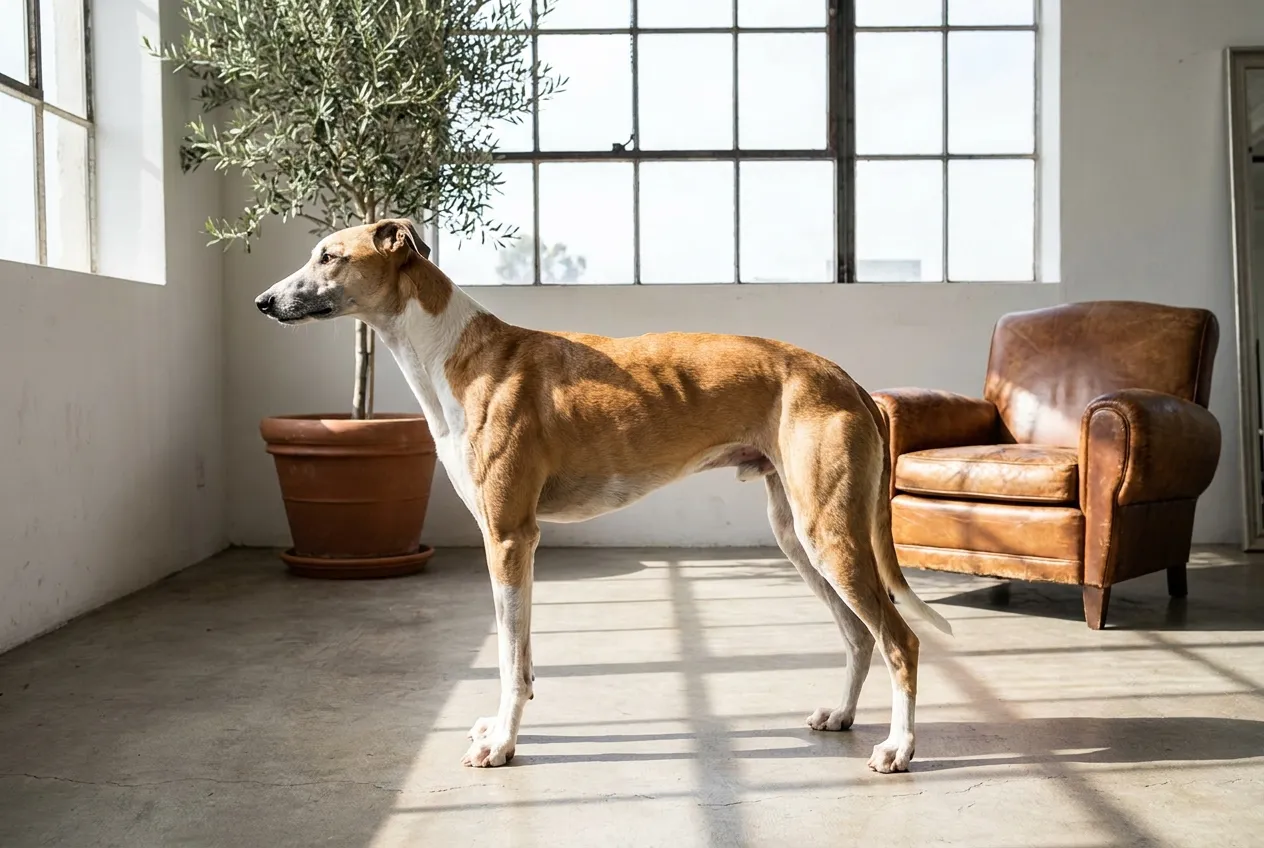
Is my dog overweight? How to check at home
You don't need a scale to spot a few extra pounds — a quick hands-on check tells you most of what you need to know. Here's how, using the score vets use.
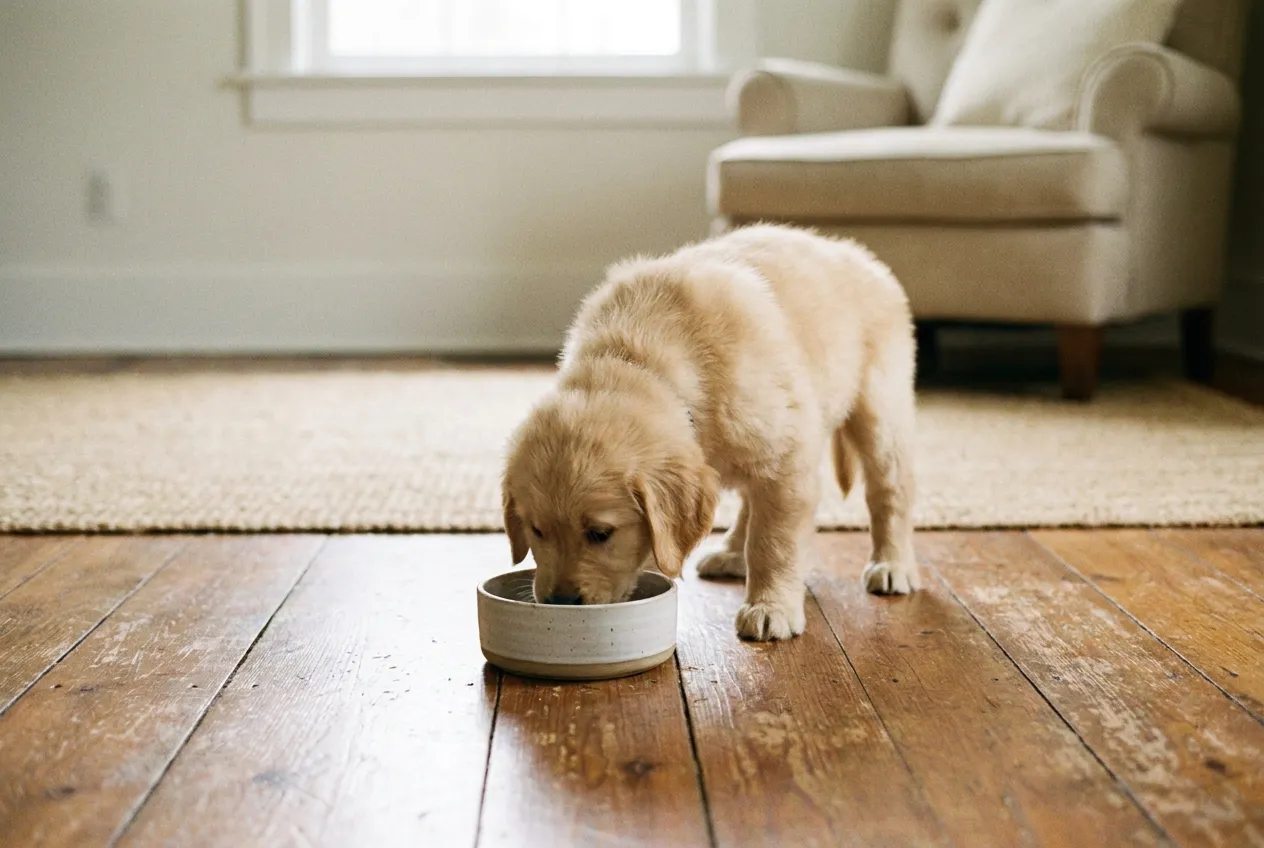
Puppy feeding schedule: how often to feed by age
How often a puppy eats changes fast in the first year. Here's a simple age-by-age schedule, plus how to know you're feeding the right amount.
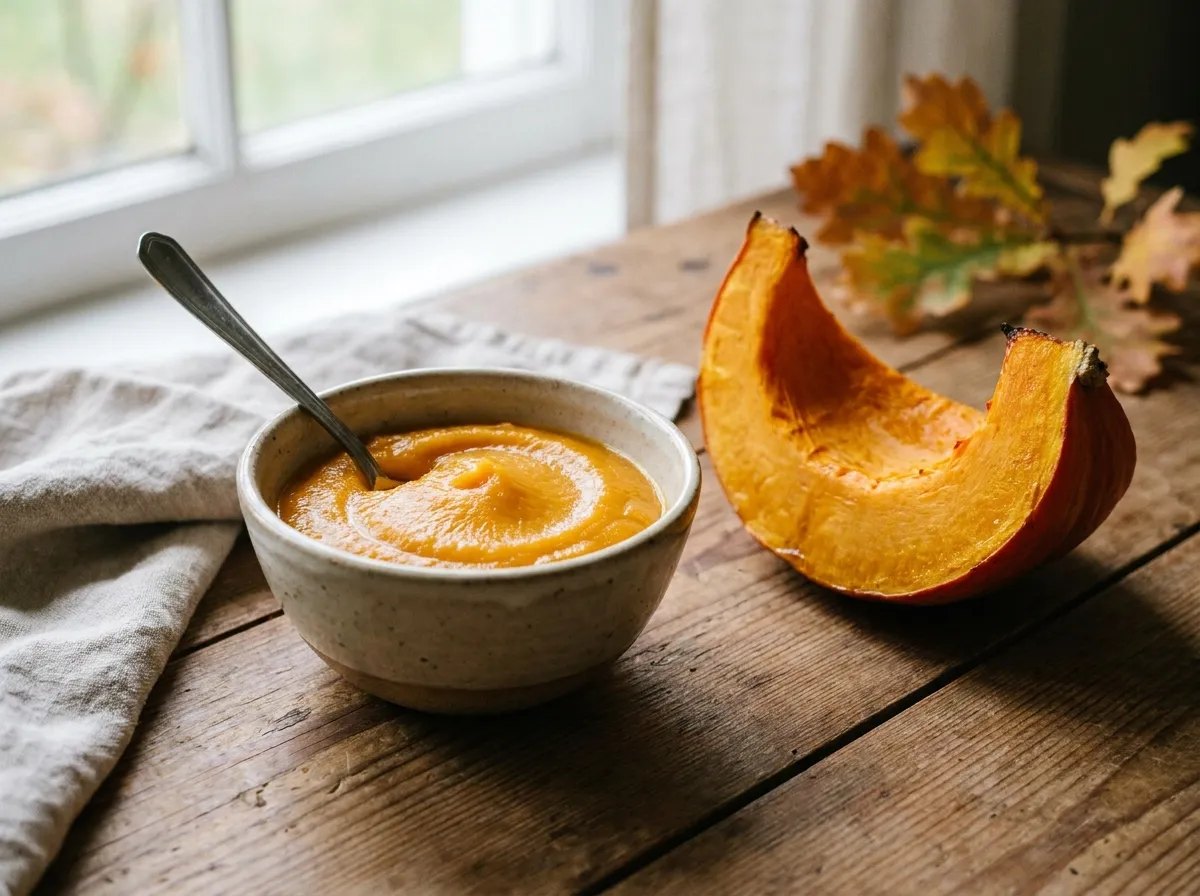
Turkey and pumpkin bowl for dogs: a gentle recipe
A light, tummy-friendly bowl you can cook at home — lean turkey, plain pumpkin and rice, with the balance and safety notes that matter.
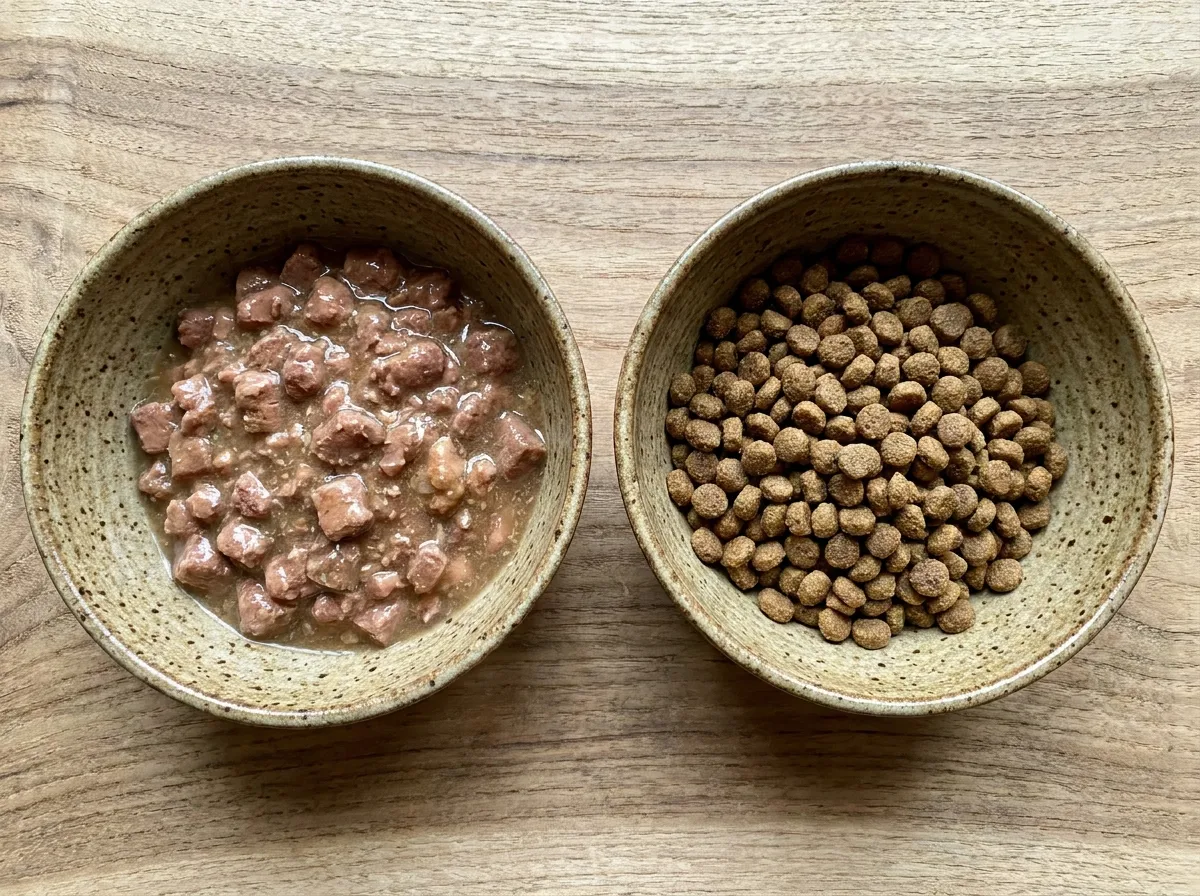
Wet vs dry dog food: which is better?
Both wet and dry food can be complete and balanced — the right pick comes down to your dog, your budget and their teeth. Here's how the two compare.
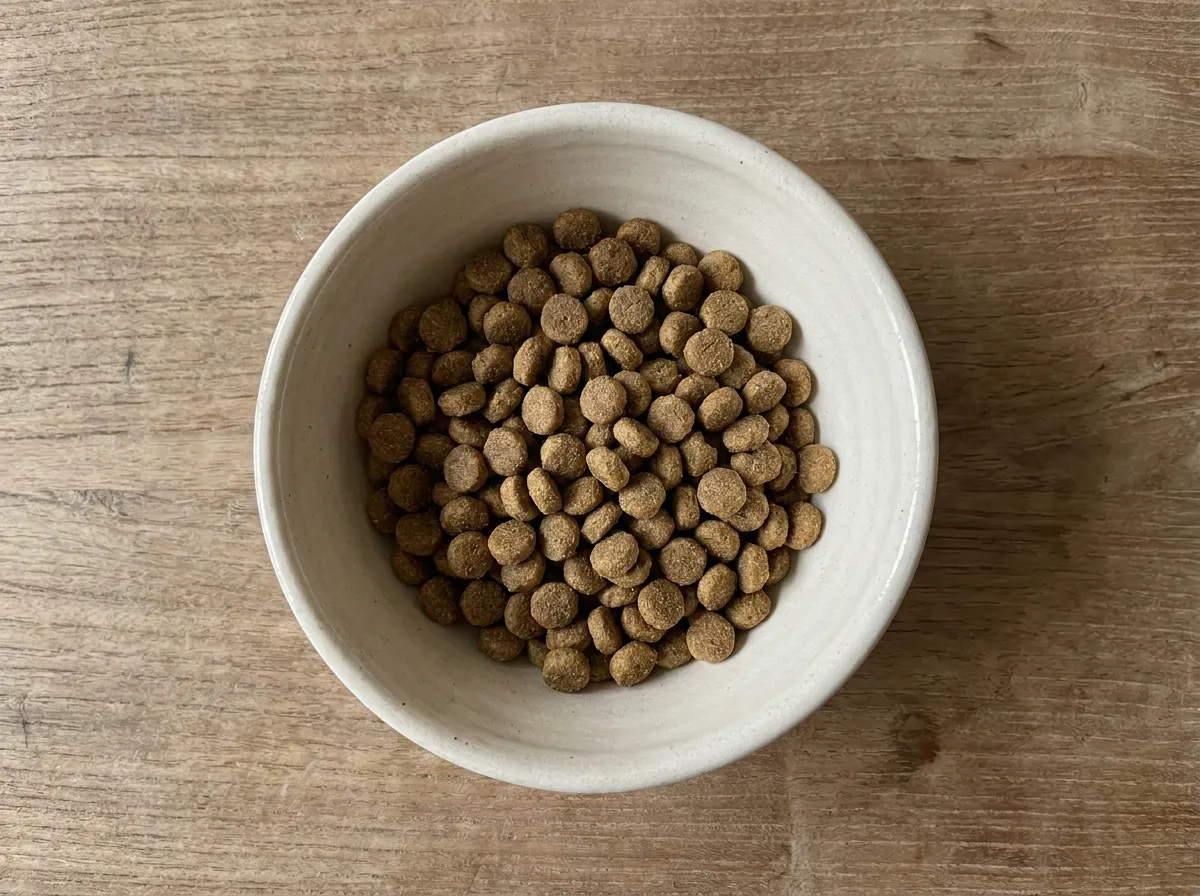
What does grain-free dog food actually mean?
Grain-free has become a marketing badge, but it isn't automatically healthier — and there's a heart-health question worth knowing about. Here's the plain version.
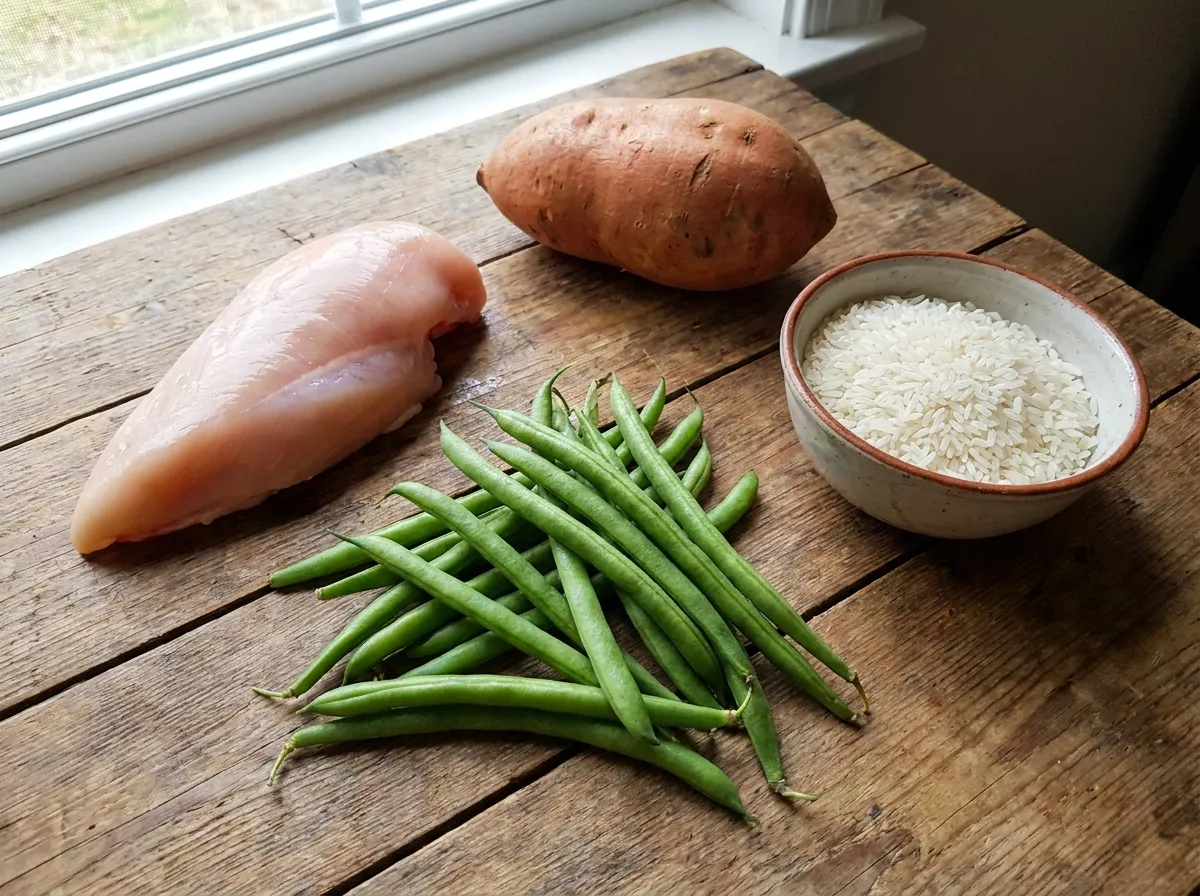
What to feed a dog with an upset stomach
A bland diet can settle a mild tummy upset — but knowing when it's a vet job matters just as much. Here's the simple approach, and the red flags.
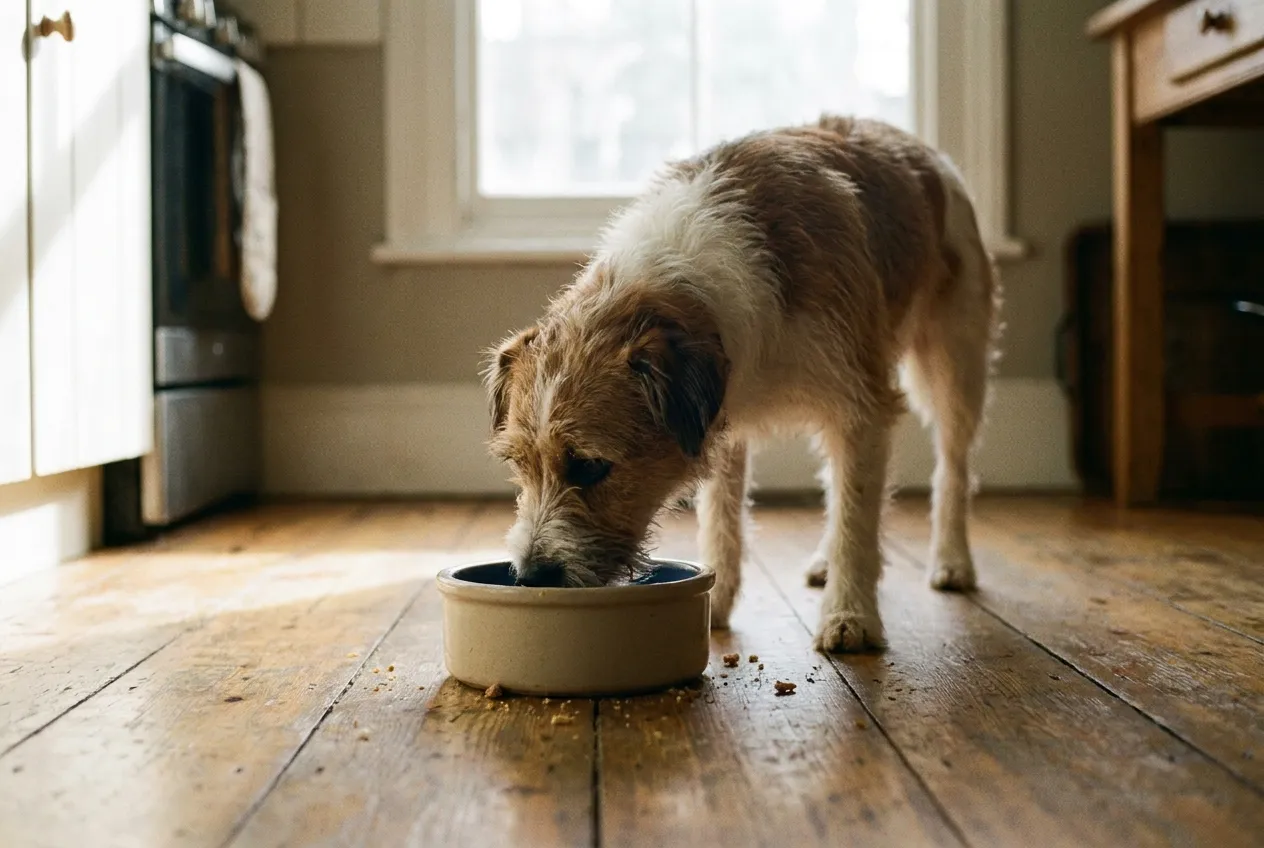
Why won't my dog eat? Common reasons and what to do
A dog going off their food can be anything from fussiness to something that needs a vet. Here's how to tell the difference and what to try first.
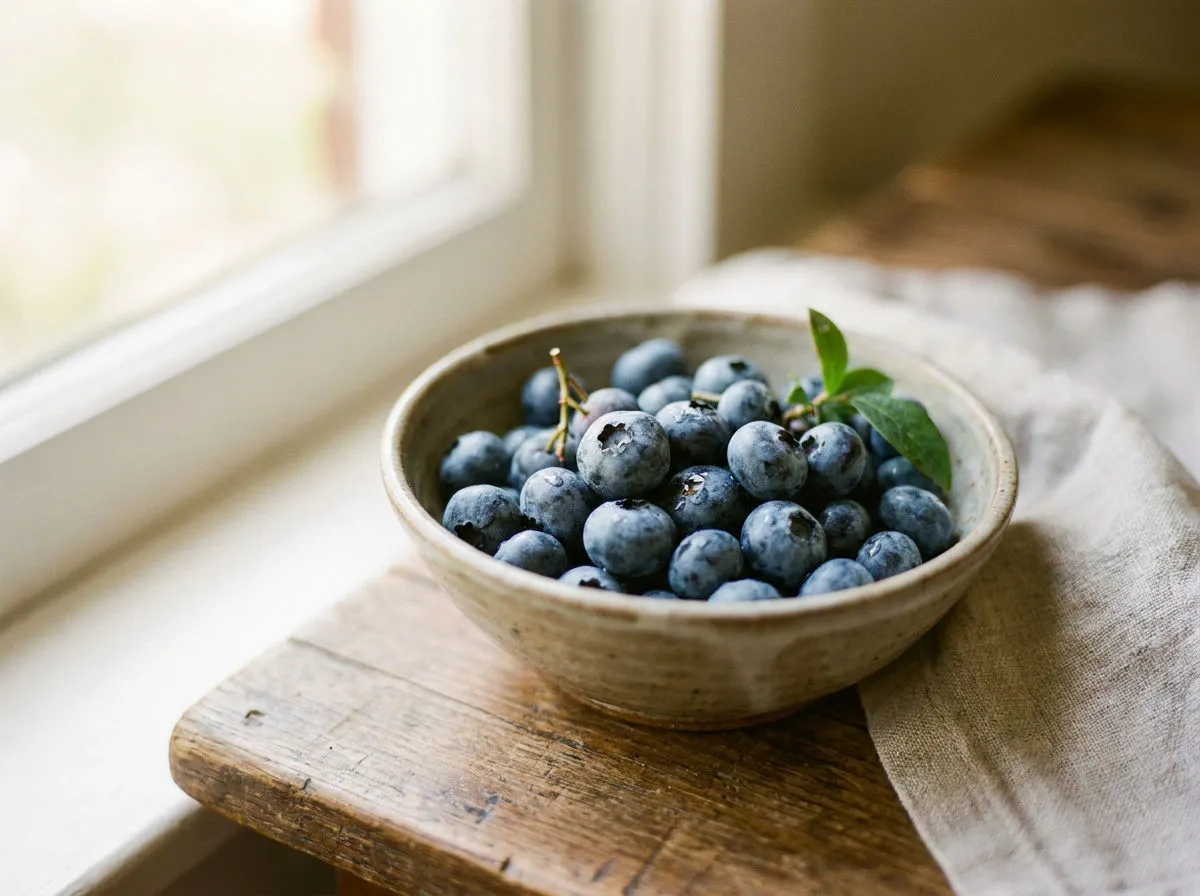
Can dogs eat blueberries? What owners should know
Blueberries are one of the safest fruits you can share with your dog — here's how many are OK, the best way to serve them, and the one thing to skip.
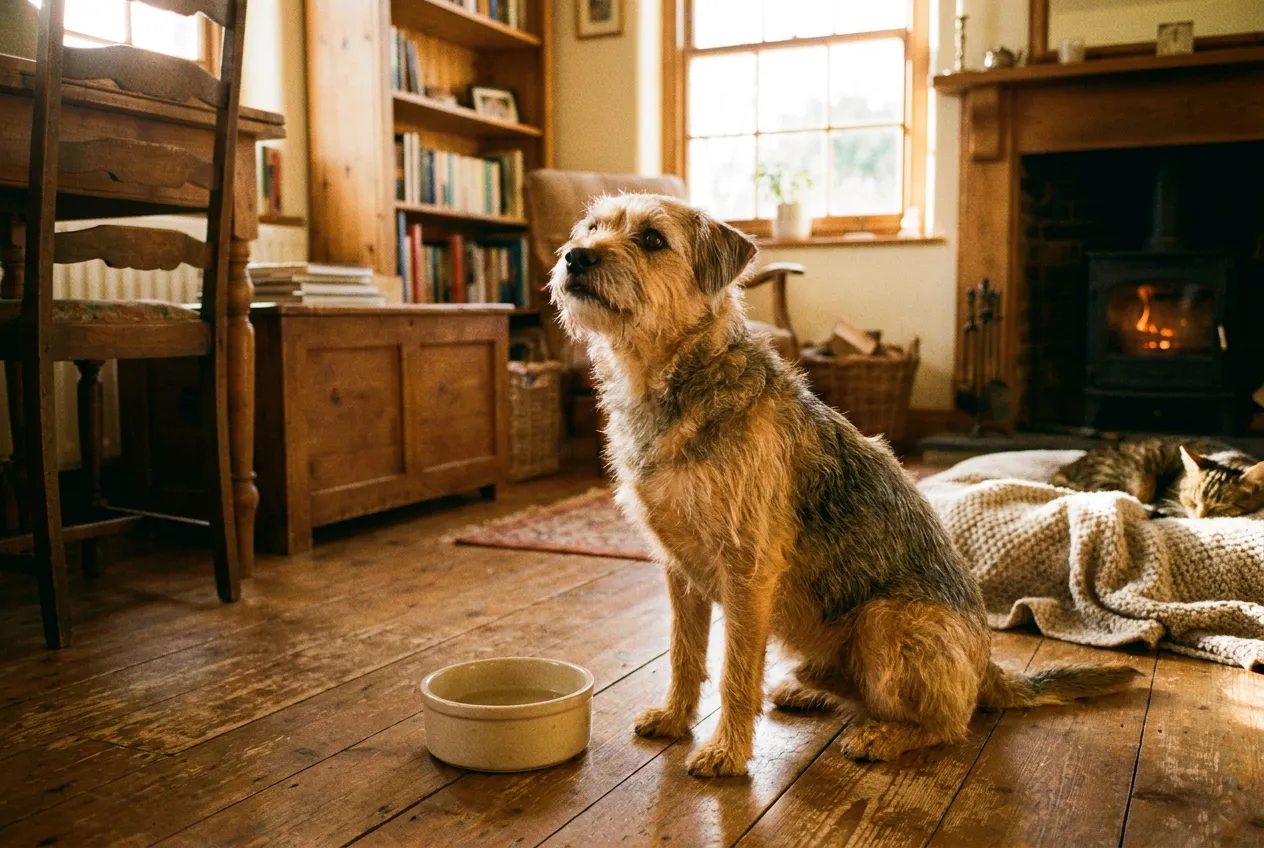
Feeding a dog with a sensitive stomach
If your dog is often gassy, gurgly or prone to loose stool, small feeding changes can help — but the first step is ruling out anything that needs a vet.
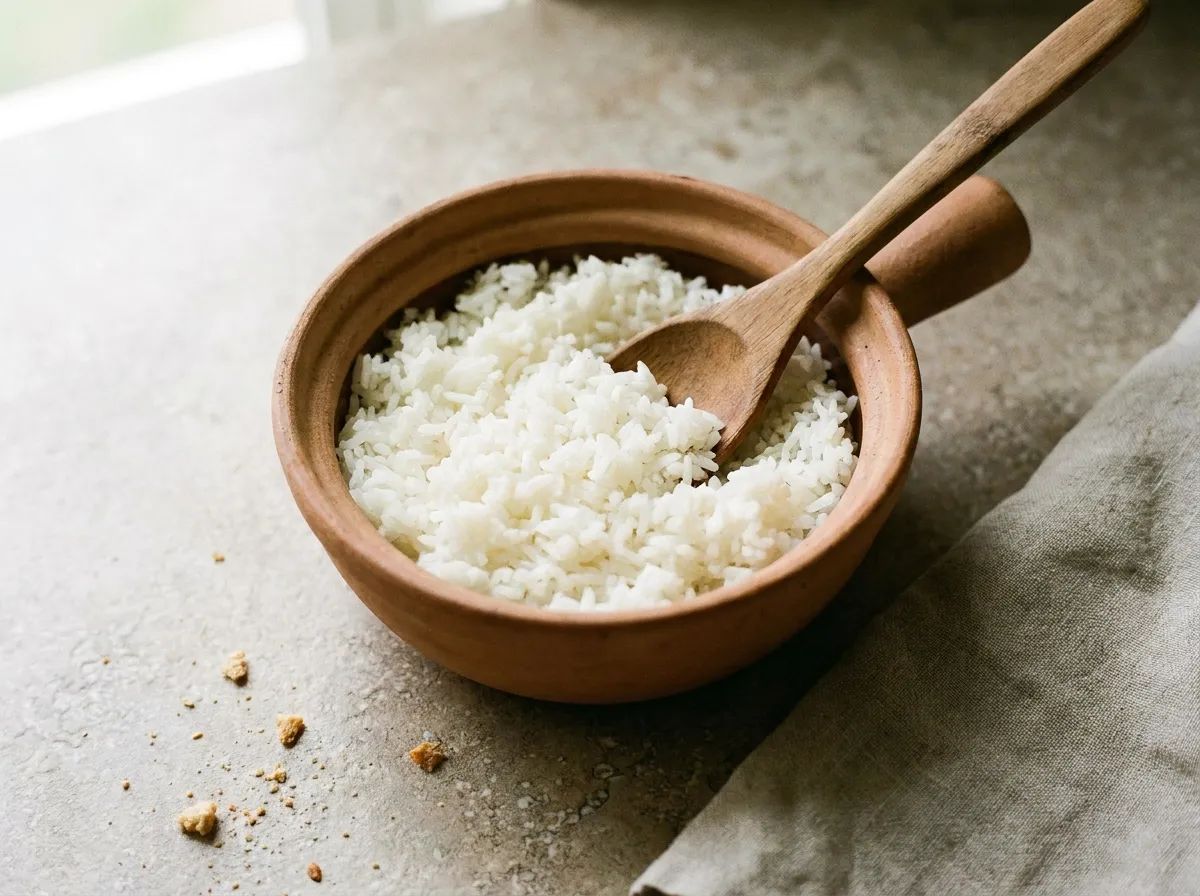
Homemade beef and rice for dogs: a simple recipe
A gentle beef and rice bowl you can cook at home — lean beef, plain rice and a couple of vegetables, with the balance and safety notes that actually matter.
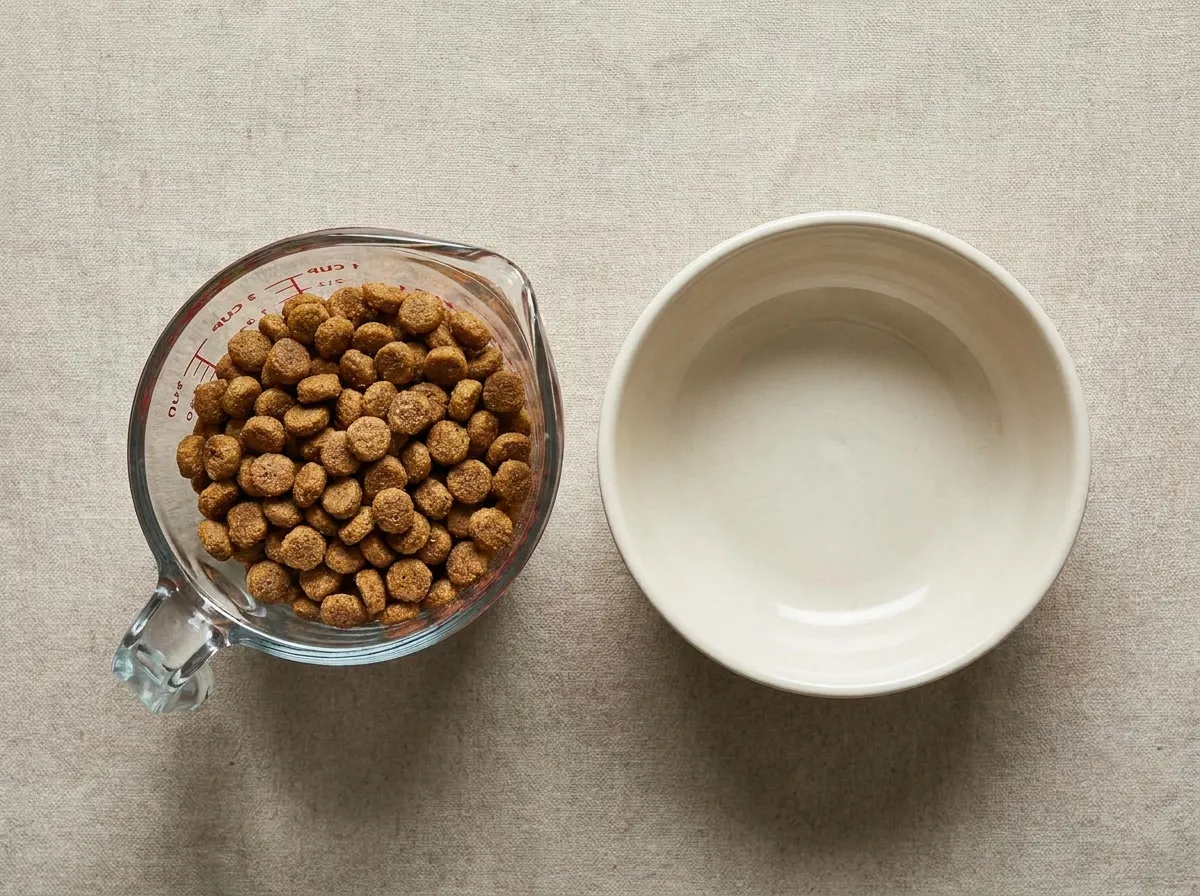
How to switch your dog's food without the upset stomach
Changing your dog's food too fast is the usual cause of the runny tummy that follows. Here's the slow-and-steady way to do it, and how to read your dog along the way.
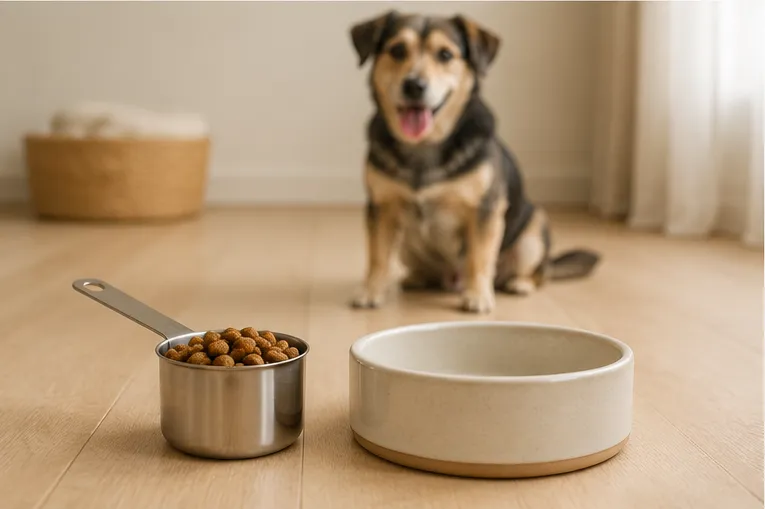
How much should you actually feed your dog?
Portion sizes aren’t one-size-fits-all. Here’s how to read the bag, adjust for your dog, and check you got it right.