Can dogs eat bread? Safe, but mostly empty calories
Plain bread won't hurt most dogs in small amounts, but it adds calories with little benefit — and raw dough is genuinely dangerous. Here's what to know.
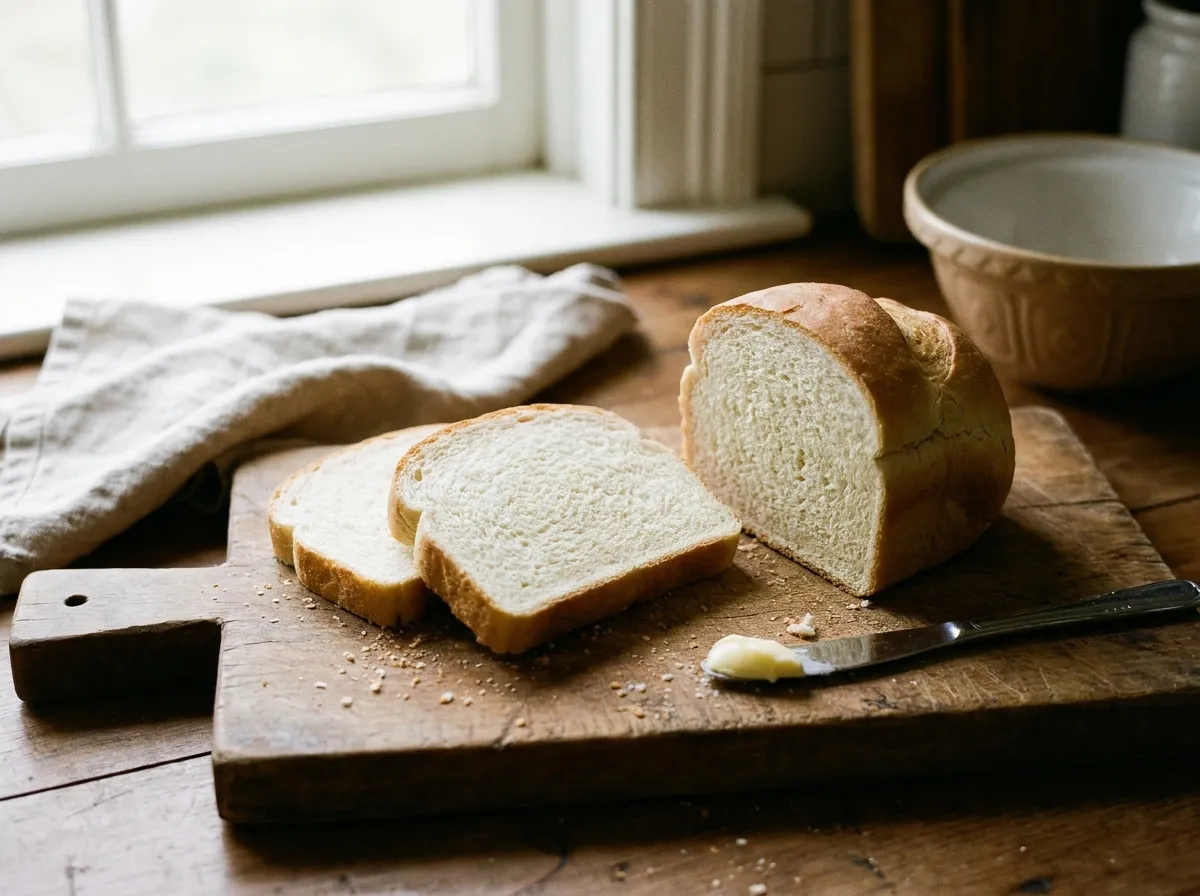
Yes — a small piece of plain bread won't harm most dogs. It isn't toxic, and the occasional bite is harmless. But bread is also close to pure filler for a dog: lots of calories, not much nutrition, and nothing they can't get better elsewhere. So while it's safe, it isn't something worth feeding on purpose.
Plain white or whole-wheat bread, in a small amount, is the version that's fine. The problems come from what bread often carries or becomes: raisins (toxic to dogs), nuts, chocolate, garlic or onion in flavored loaves, or xylitol in some low-sugar breads. Any of those turns a harmless snack into a real risk, so plain is the only kind to consider.

Never let a dog eat raw bread dough. As it warms in the stomach it keeps rising, which is painful and dangerous, and the yeast produces alcohol as it ferments — a genuine emergency. If your dog swallows raw dough, call your vet straight away.
So should you give your dog bread?
There's no need to. If you do, keep it to a small piece of plain bread as an occasional treat, inside the 10% of daily calories all treats should share. For a dog carrying extra weight, it's an easy thing to cut, since those calories do nothing for them. A crust to finish now and then isn't a problem; a daily habit isn't worth building.
Plain bread is harmless in small amounts — but raw dough is an emergency, not a snack.
If your dog has wolfed a whole loaf, or any bread containing raisins, chocolate or xylitol, treat it as urgent and call your vet. Informational only — always consult your vet for dietary decisions.
Common questions
Sources
Guidance on this page is grounded in established veterinary-nutrition and animal-health authorities.
Informational only — not a substitute for veterinary advice. Recipes here are vet-informed and use no ingredients known to be toxic to dogs, but every dog is different. Consult your vet before changing your dog's diet.