Why won't my dog eat? Common reasons and what to do
A dog going off their food can be anything from fussiness to something that needs a vet. Here's how to tell the difference and what to try first.
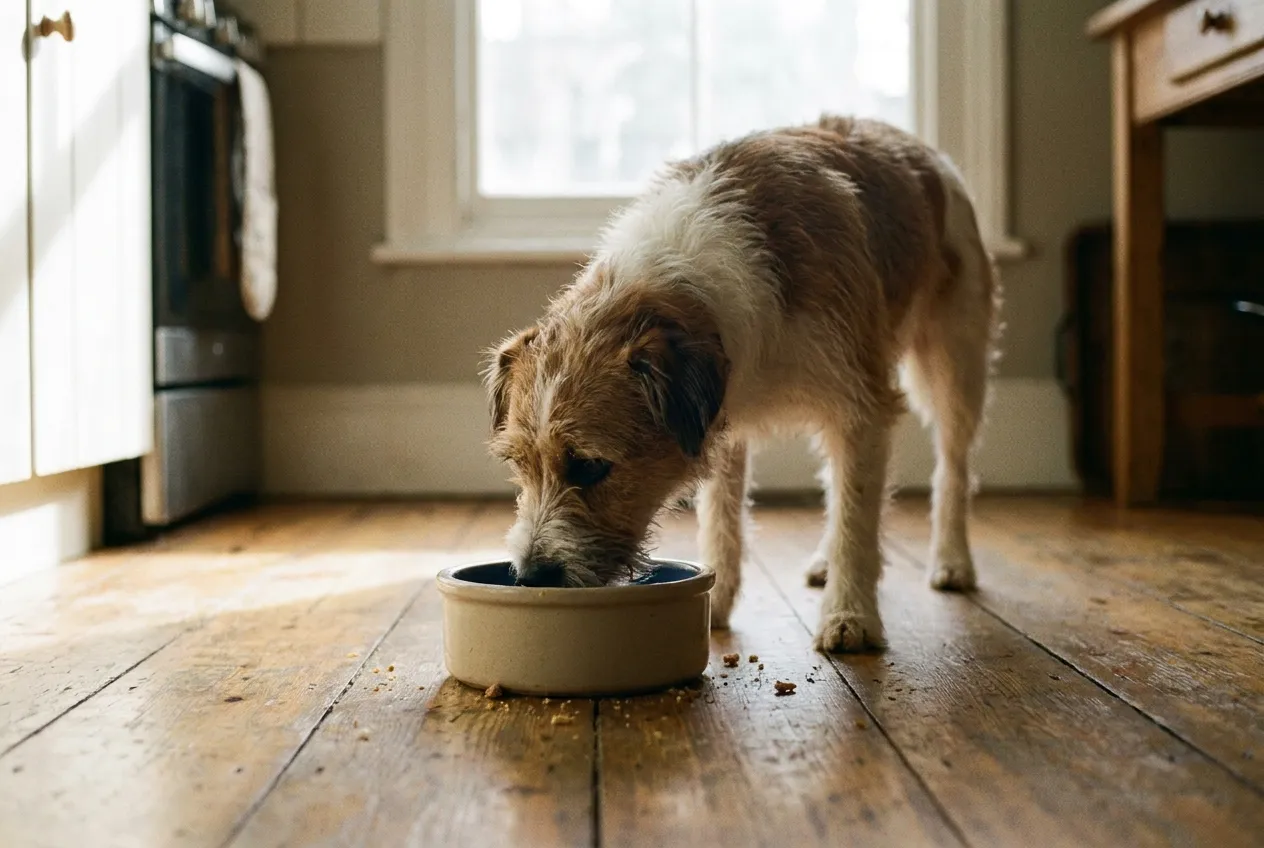
A dog turning their nose up at dinner is worrying, but it's not always serious. Appetite can dip for all sorts of everyday reasons — a hot day, a change of food, stress, or just a fussy phase — and often it passes. The trick is knowing when it's nothing to worry about and when it's a sign to call your vet.
Some causes are simple: a recent vaccination, a new environment, boredom with the same food, or too many treats and table scraps filling them up. Others are medical — dental pain, nausea, an upset stomach, or something more serious — which is why a dog that's genuinely off their food and also seems unwell shouldn't just be waited out.

A few gentle things to try for a mildly fussy but otherwise well dog: cut out treats and scraps so mealtime matters again, warm the food slightly to boost the smell, keep feeding times consistent, and take the bowl up after 15 to 20 minutes rather than leaving it down all day.
When to call the vet
Don't wait it out if your dog hasn't eaten for more than about a day (much less for a puppy), or if the loss of appetite comes with vomiting, diarrhea, lethargy, or any sign of pain. A sudden, complete refusal to eat — especially in a small dog or puppy — is worth a same-day call. When in doubt, your vet would rather hear from you early.
A fussy day is usually fine — but a dog that's off their food and unwell needs a vet, not patience.
Puppies, seniors and dogs with health conditions have less in reserve, so give them less leeway before checking in. Informational only — always consult your vet if you're worried about your dog's appetite.
Common questions
Sources
Guidance on this page is grounded in established veterinary-nutrition and animal-health authorities.
Informational only — not a substitute for veterinary advice. Recipes here are vet-informed and use no ingredients known to be toxic to dogs, but every dog is different. Consult your vet before changing your dog's diet.