How to help an overweight dog lose weight safely
Helping a dog slim down is mostly about small, steady changes — measured portions, fewer treats, and a little more movement. Here's how to do it safely.
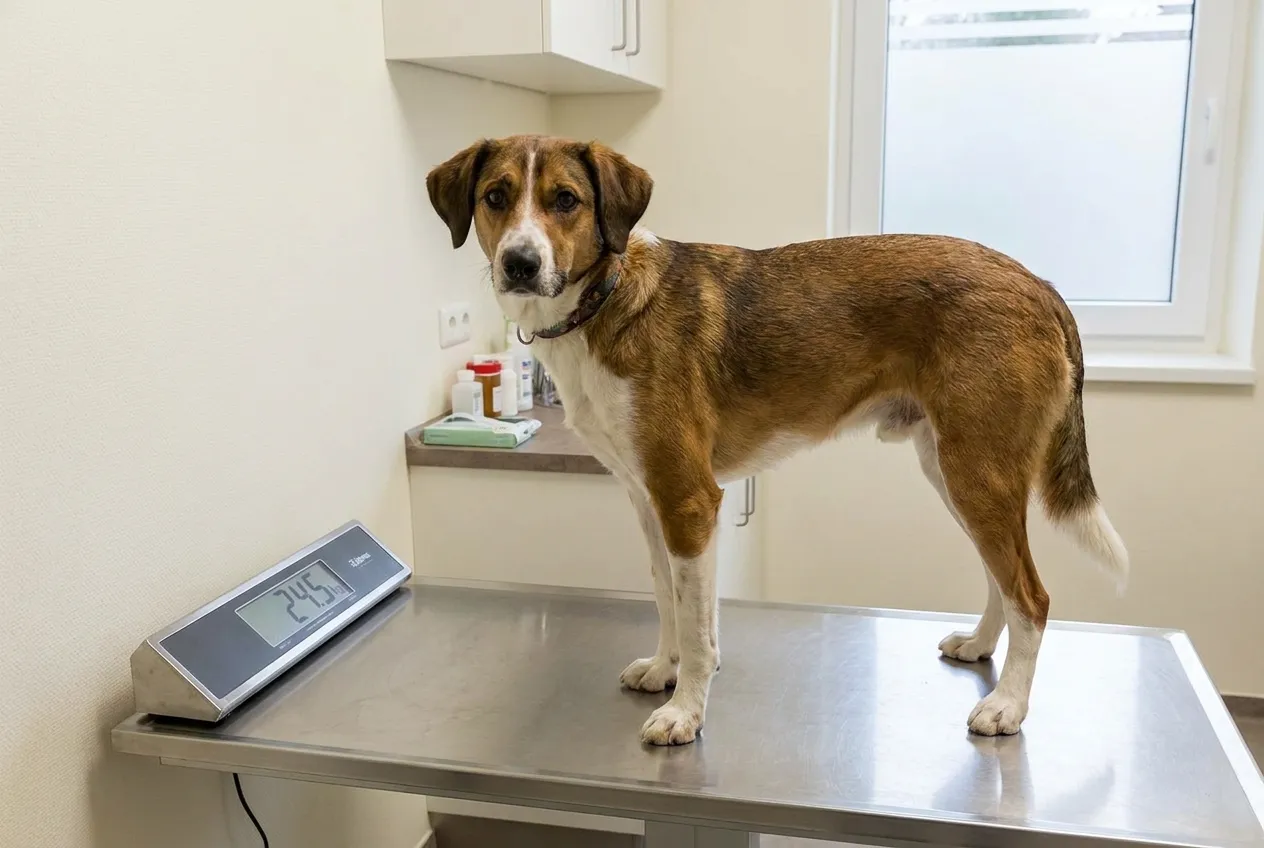
If your dog is carrying extra weight, the good news is that it's common and very fixable — and it rarely calls for anything drastic. Safe weight loss is mostly small, steady changes: measuring what goes in the bowl, trimming treats, and adding a little more movement. The goal is slow and steady, not a crash diet.

Start with your vet. They can rule out a medical cause, confirm your dog really needs to lose weight, and set a safe target and pace. Some conditions cause weight gain, and a few make rapid loss risky, so this first step matters.
The changes that do the work
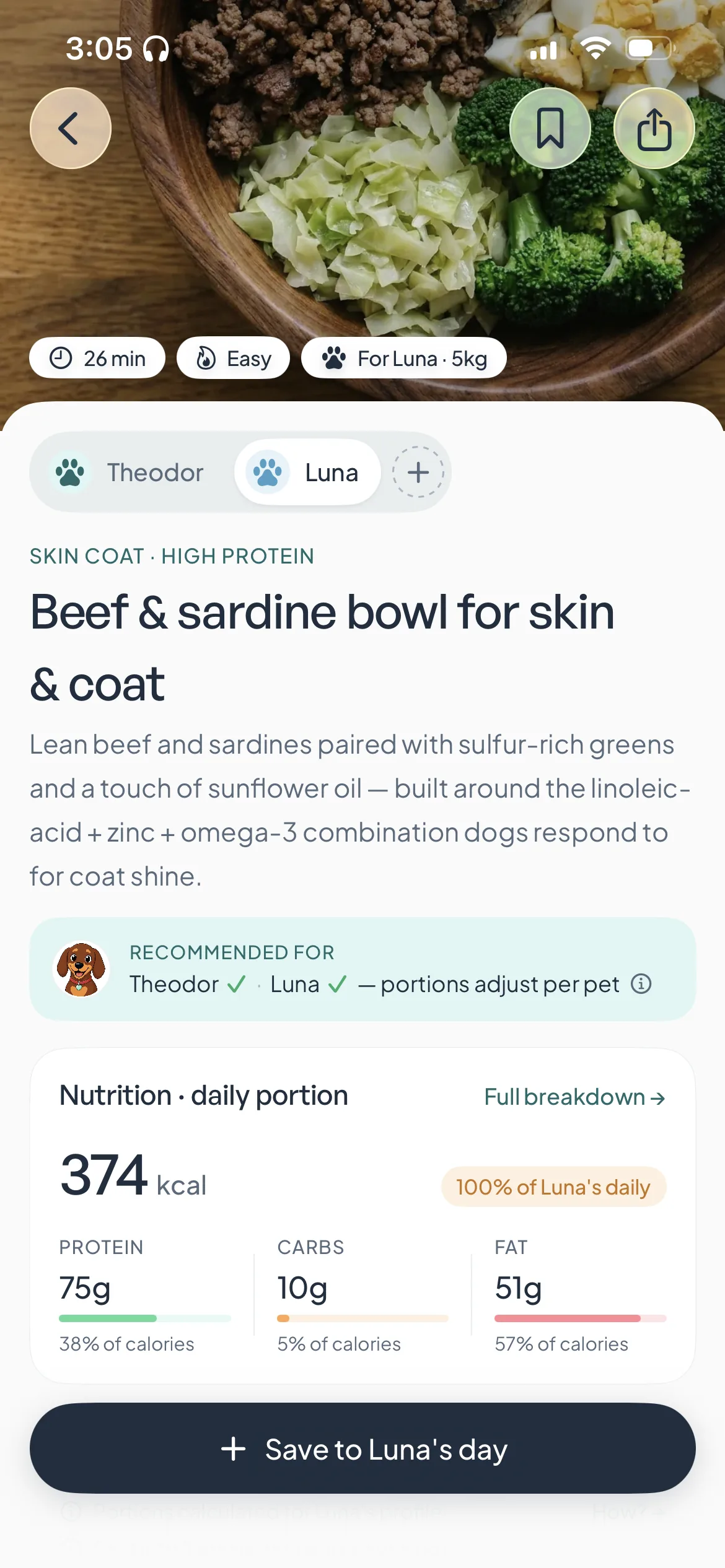
Measure meals with a proper cup or a kitchen scale rather than eyeballing — it's the single biggest lever, because a casual scoop is often far more than you think. Cut treats right back and keep them within about 10% of daily calories, swapping high-calorie treats for something like carrot or green beans. Build in a bit more activity gradually, matched to your dog's fitness and any joint issues.
Your vet may also suggest a food designed for weight management, which lets a dog feel full on fewer calories. Whatever the plan, weigh-ins and the hands-on body condition check every few weeks tell you if it's working, so you can adjust as you go.
Measure the bowl, trim the treats, move a little more — slow and steady wins this one.
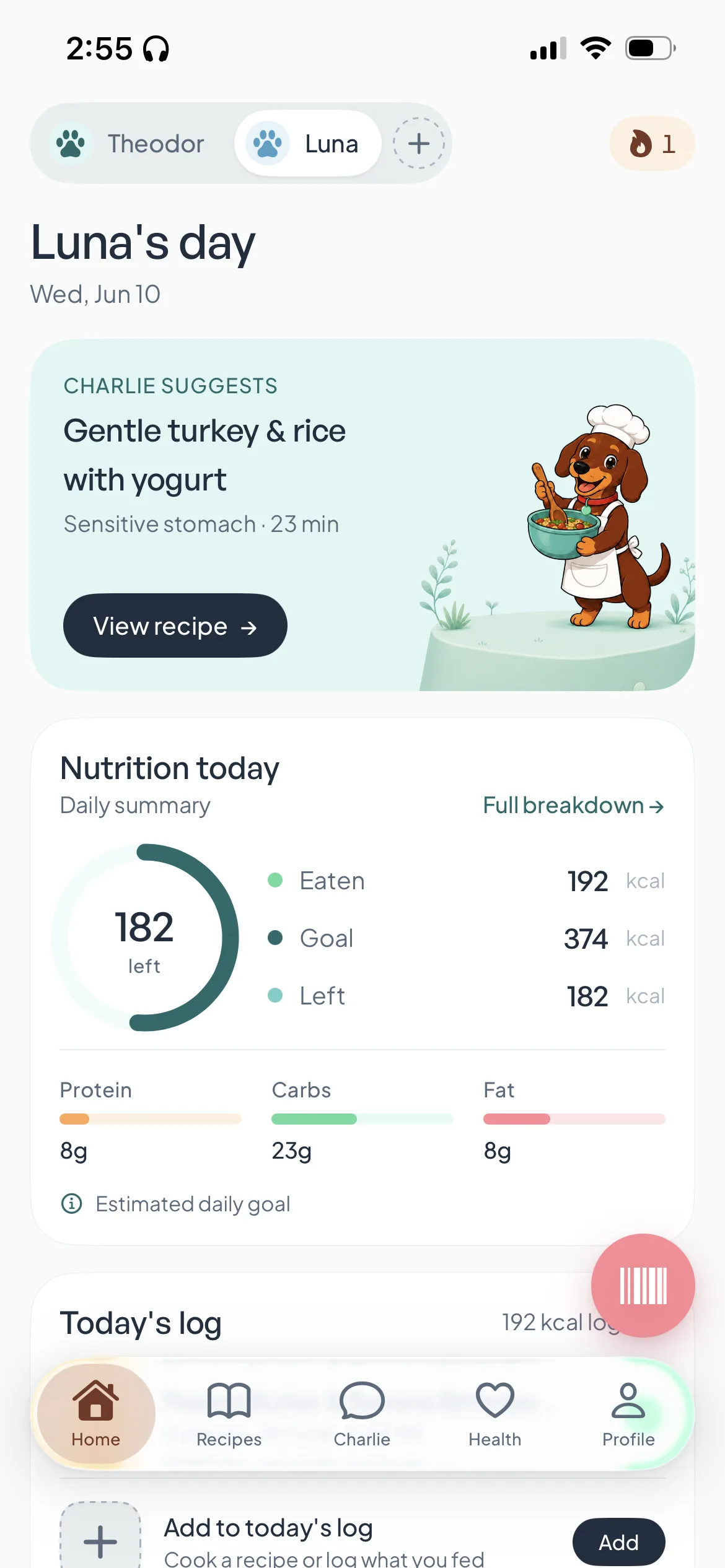
Keep the whole household on the same page (the extra scraps add up fast), and be patient — healthy loss is gradual. Keeping portions right for your dog is exactly what a retrospective food log helps with, and the NatBuddy app works the amounts out per pet. Informational only — always consult your vet for dietary decisions.
Common questions
Sources
Guidance on this page is grounded in established veterinary-nutrition and animal-health authorities.
Informational only — not a substitute for veterinary advice. Recipes here are vet-informed and use no ingredients known to be toxic to dogs, but every dog is different. Consult your vet before changing your dog's diet.