How to switch your dog's food without the upset stomach
Changing your dog's food too fast is the usual cause of the runny tummy that follows. Here's the slow-and-steady way to do it, and how to read your dog along the way.
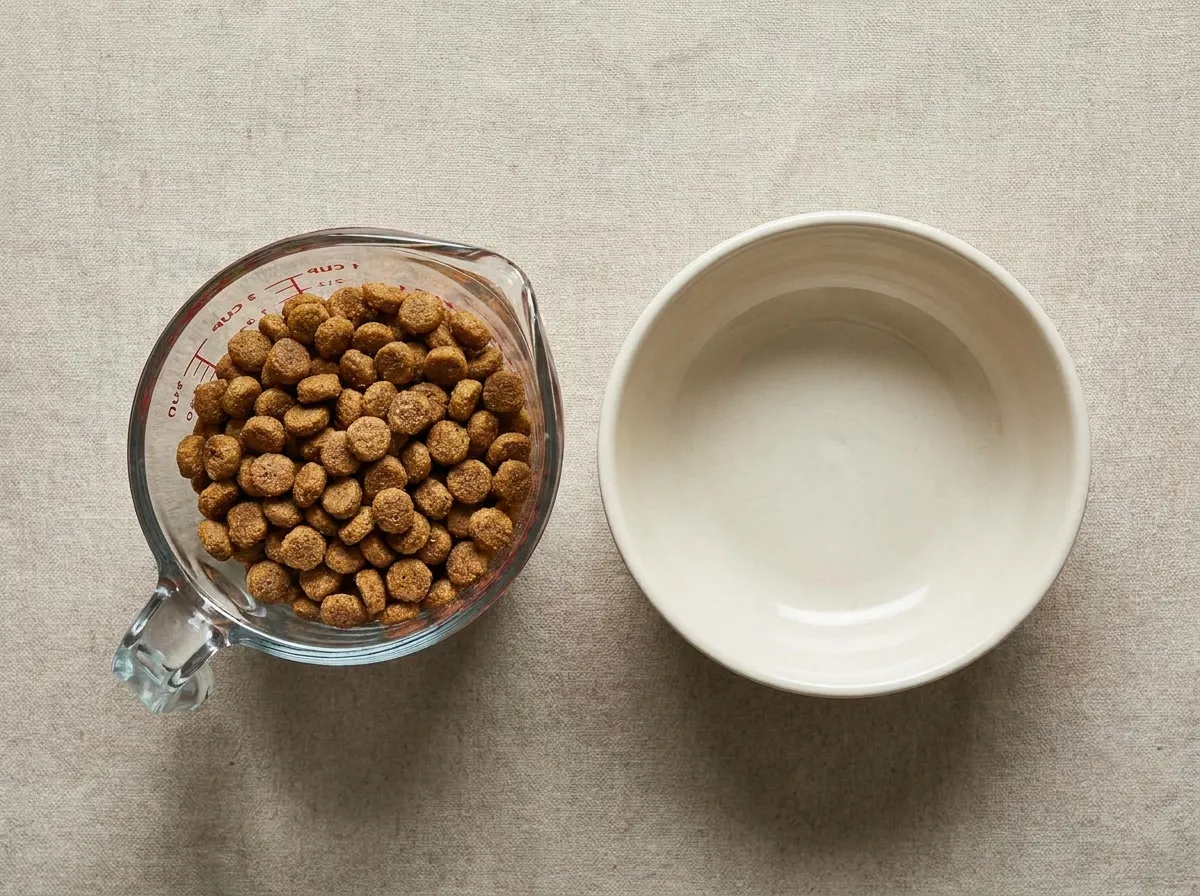
Switch your dog's food gradually — over about a week to ten days — and you'll avoid most of the upset stomachs that come with a new bag. The usual culprit behind a sudden bout of loose stool isn't a "bad" food; it's changing too fast for the gut to keep up.
Your dog's digestion adapts to whatever they eat regularly. Swap it all at once and you give it nothing to adjust to. Ease the new food in a little at a time and the change is barely noticed.
A simple 7-to-10-day transition
Mix the new food into the old, shifting the ratio every couple of days: start around 25% new to 75% old for two to three days, move to a 50/50 mix, then to 75% new, and finally to 100% new by the end of the week or so. If your dog has a sensitive stomach or has had trouble with changes before, stretch each stage out over more days — there's no prize for rushing.

Keep everything else steady while you switch. Hold off on new treats or table scraps during the transition so that if something does upset your dog, you know it was the food and not a mystery snack.
What to watch for
A little softer stool for a day or two can be normal. Slow down or pause at the current ratio if you see ongoing diarrhea, vomiting, gas, or a dog who goes off their food. Give it a couple of days to settle before moving on. Persistent upset, or any sign your dog is unwell, is a reason to call your vet rather than push through.
There's no prize for rushing — a slower switch is almost always a calmer stomach.
Puppies, seniors and dogs with health conditions can be more sensitive to change, so go slower with them and check with your vet if you're switching for a medical reason. Informational only — always consult your vet for dietary decisions.
Common questions
Sources
Guidance on this page is grounded in established veterinary-nutrition and animal-health authorities.
Informational only — not a substitute for veterinary advice. Recipes here are vet-informed and use no ingredients known to be toxic to dogs, but every dog is different. Consult your vet before changing your dog's diet.