Is my dog overweight? How to check at home
You don't need a scale to spot a few extra pounds — a quick hands-on check tells you most of what you need to know. Here's how, using the score vets use.
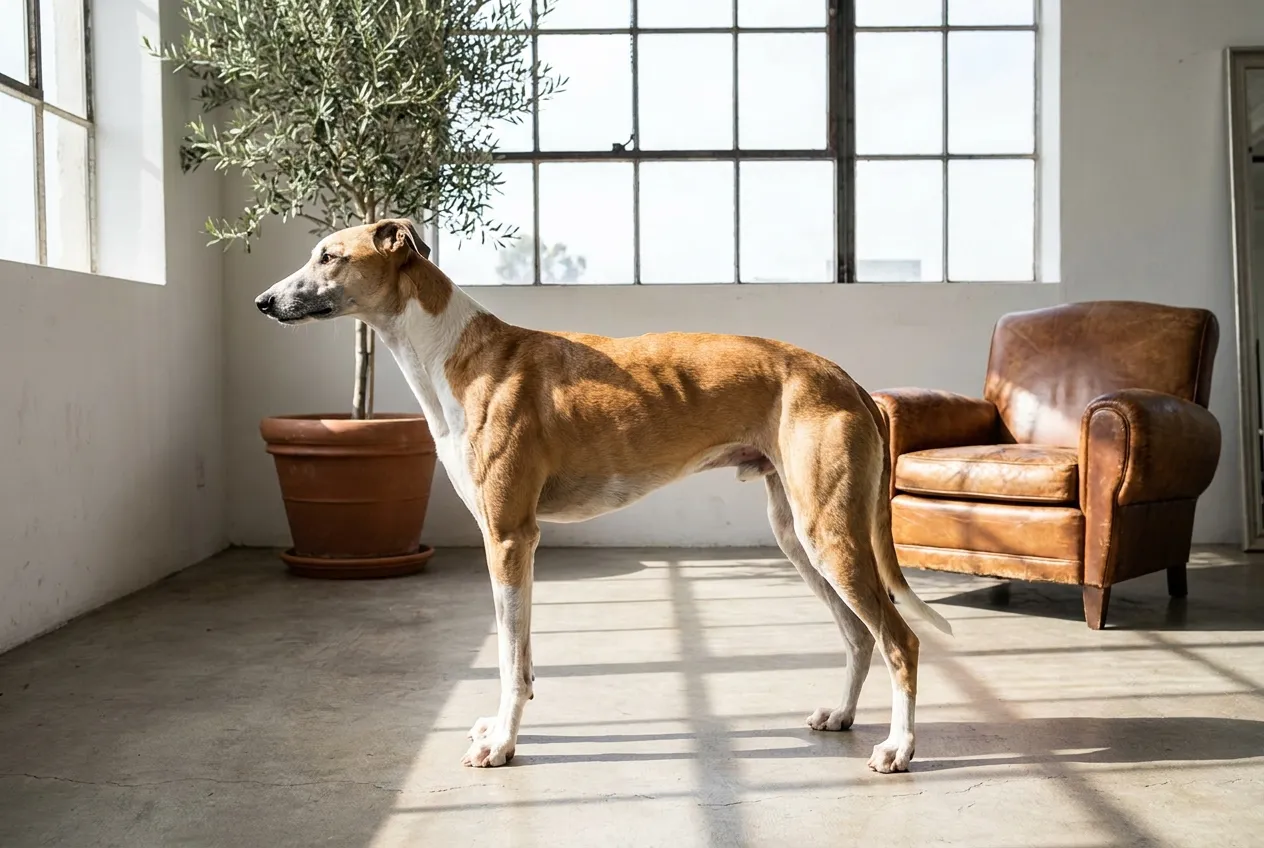
The quickest way to tell isn't the scale — it's your hands. Vets judge weight with a body condition score, and you can do a simple version at home in under a minute by checking three things: the ribs, the waist and the tuck of the belly.
The three-part check
Ribs: run your hands along your dog's side — you should feel the ribs easily under a thin layer of cover, a bit like feeling the back of your hand. Waist: looking down from above, there should be a visible narrowing behind the ribs. Tuck: from the side, the belly should rise up toward the back legs rather than hanging level. If the ribs are hard to find, the waist has disappeared, and the belly is flat or sagging, your dog is probably carrying extra weight.

This is the same idea as the WSAVA 9-point body condition score your vet uses, where 4 to 5 out of 9 is ideal. It works better than a number on the scale because a healthy weight depends so much on breed and frame.
What to do if your dog is overweight
Carrying a little extra is common and very manageable. The usual first steps are tightening up portions (measured, not eyeballed), cutting back on treats and table scraps, and building in a bit more activity — all worth running past your vet, who can rule out medical causes and set a safe target. Small, steady changes work better than a crash diet.
Feel for the ribs, look for the waist — your hands tell you more than the scale does.
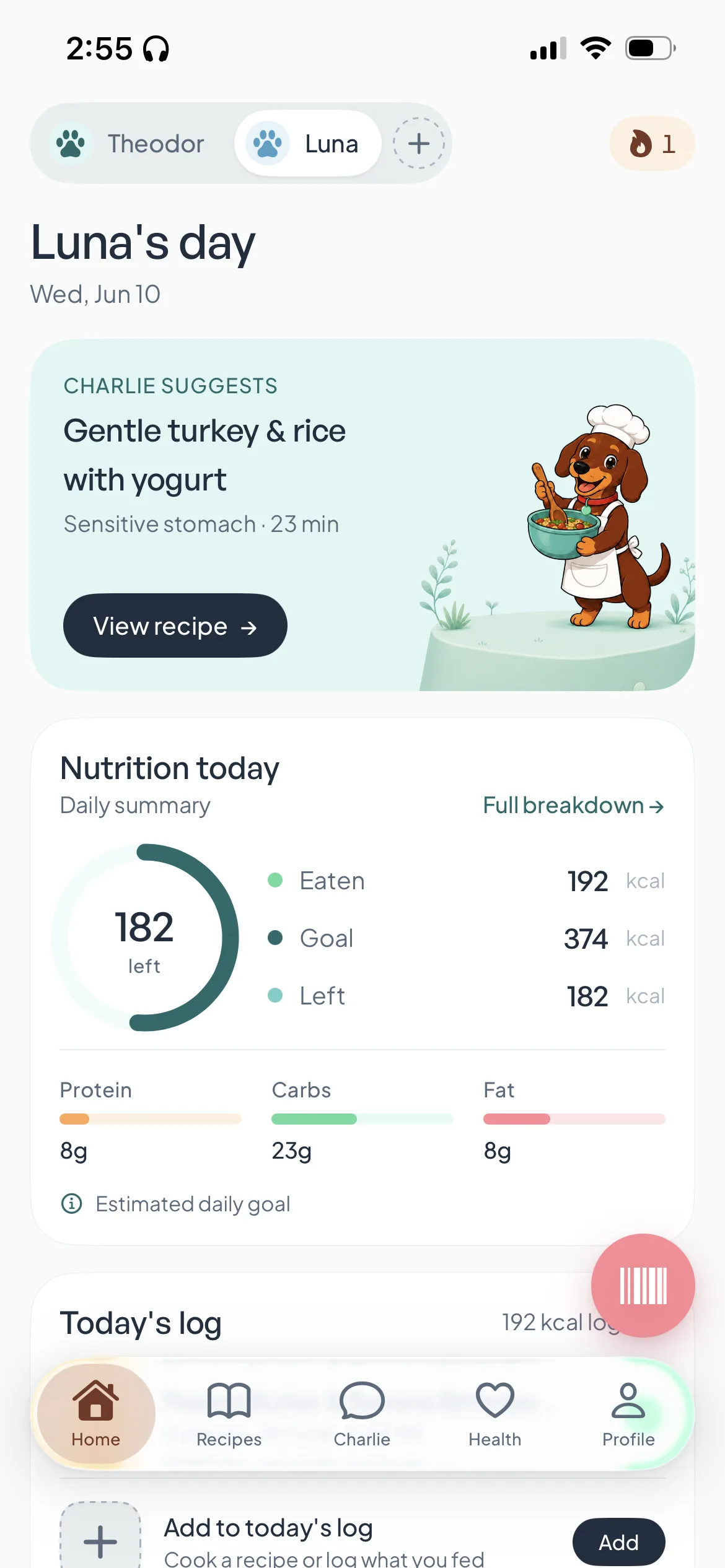
Re-check every few weeks and adjust as you go; slow, steady loss is the goal. Keeping portions right for your dog's size and activity is where a retrospective food log helps — the NatBuddy app works the amounts out per pet. Informational only — always consult your vet for dietary decisions.
Common questions
Sources
Guidance on this page is grounded in established veterinary-nutrition and animal-health authorities.
Informational only — not a substitute for veterinary advice. Recipes here are vet-informed and use no ingredients known to be toxic to dogs, but every dog is different. Consult your vet before changing your dog's diet.